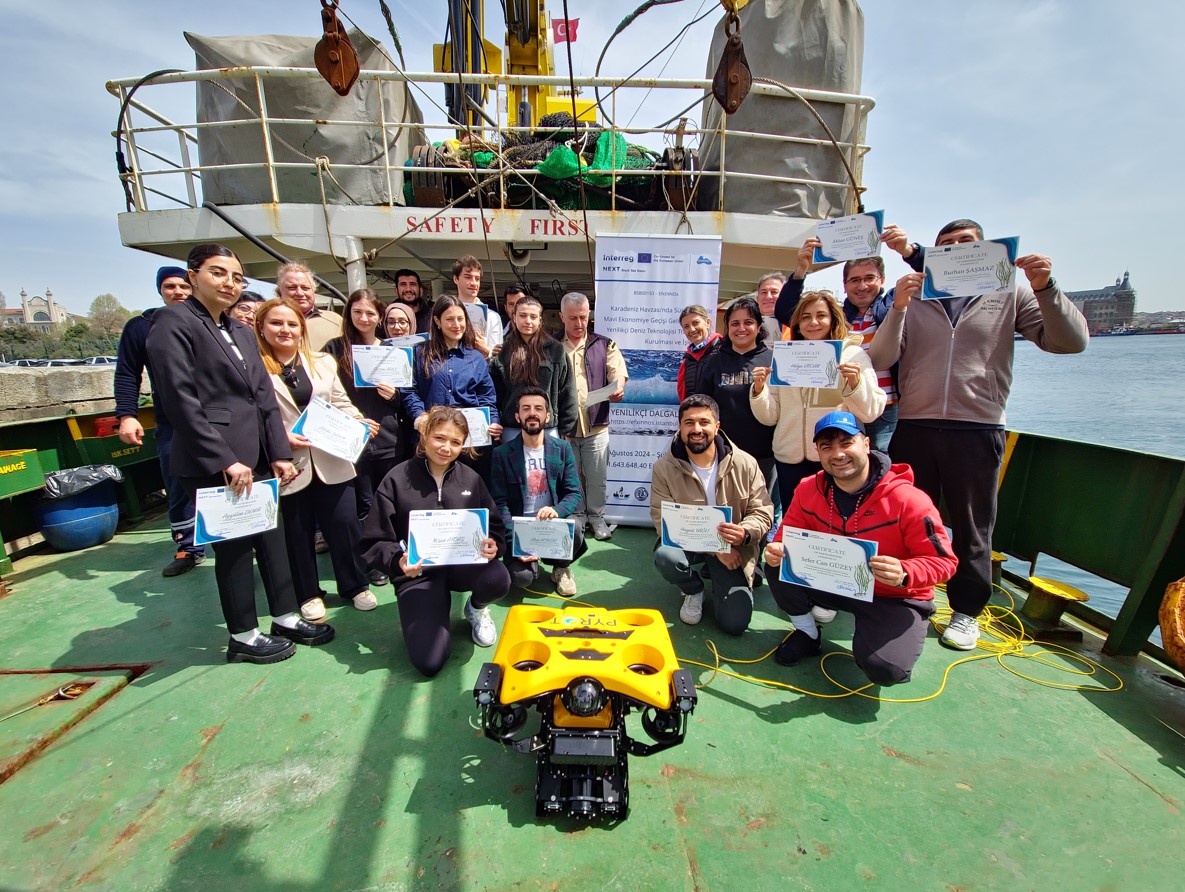
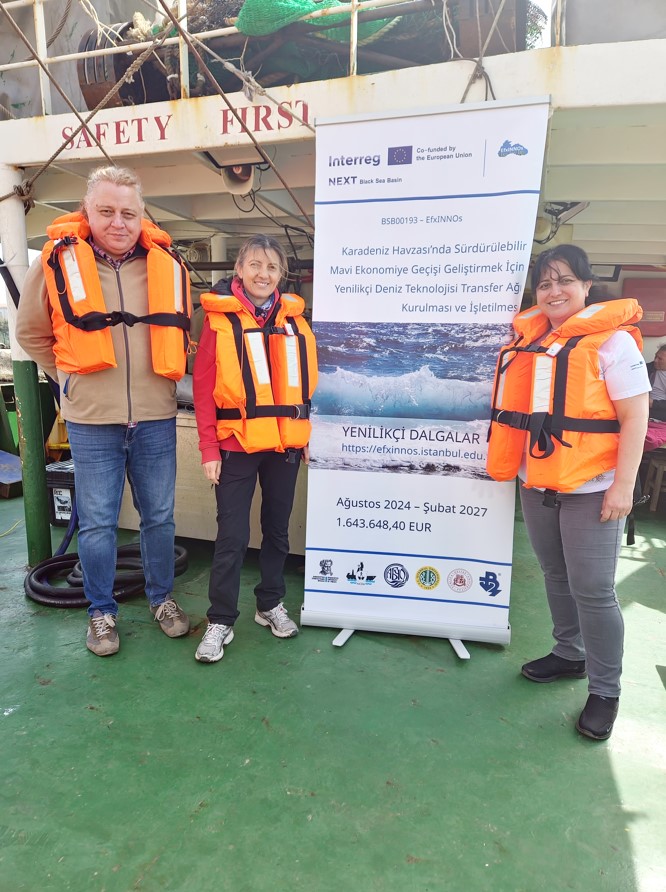
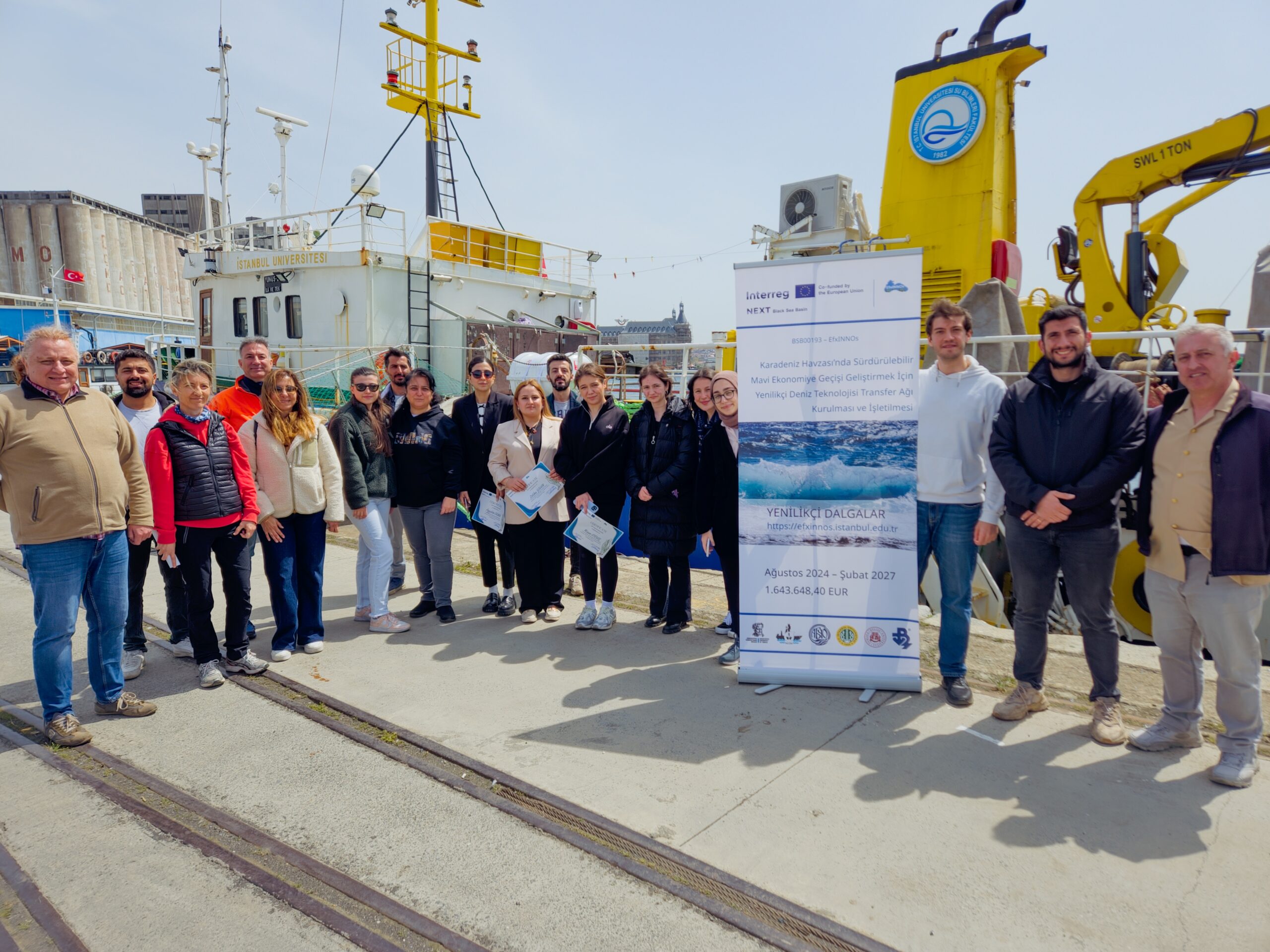
Istanbul, Turkey — On April 18, 2025, within the EfxINNOs Project, ROV (Remotely Operated Vehicle) Training Workshop was organized under the coordination of Istanbul University Faculty of Aquatic Sciences, in collaboration with the YUNUS-S Research Vessel. The workshop aimed to promote and support the effective use of marine technologies that contribute to the transition towards a sustainable “blue economy” in the Black Sea Basin.
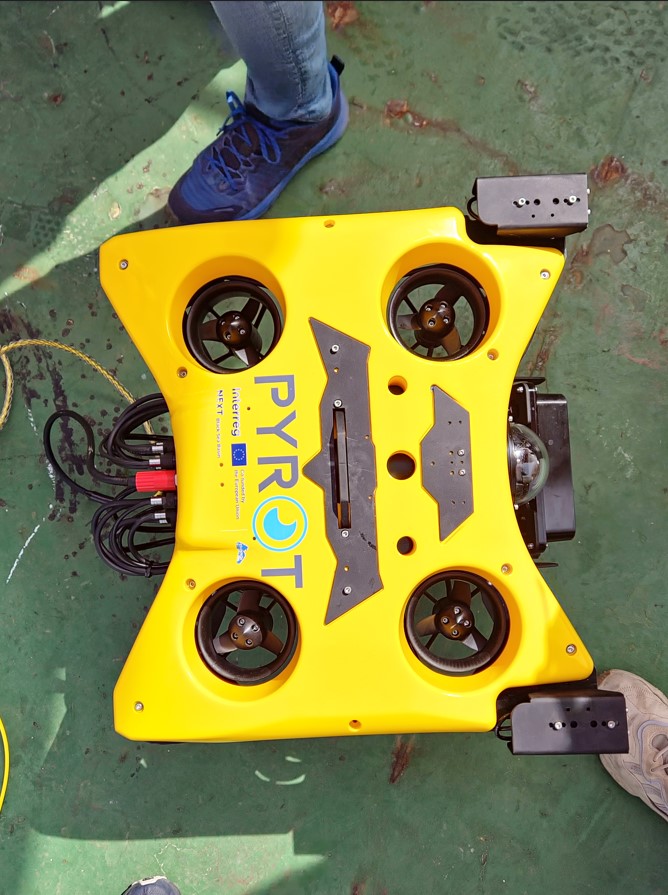
The main goal of the workshop was to provide participants with both theoretical and practical knowledge regarding the technical features, setup, operational use and maintenance procedures of the ROV device to be used within the project. The workshop hosted 28 participants, including faculty members and researchers from Istanbul University Faculty of Aquatic Sciences; graduate and doctoral (PhD) students and academic staff from Gedik University, Kocaeli University, and Kırşehir Ahi Evran University; technical staff from
Provincial Directorates of Agriculture and Forestry, and project stakeholders from the private sector. Additionally, technical experts from Letna Marine, the company that supplied the ROV device, directly conducted the field training.
The event started with the congregation of the participants at the Istanbul University Faculty of
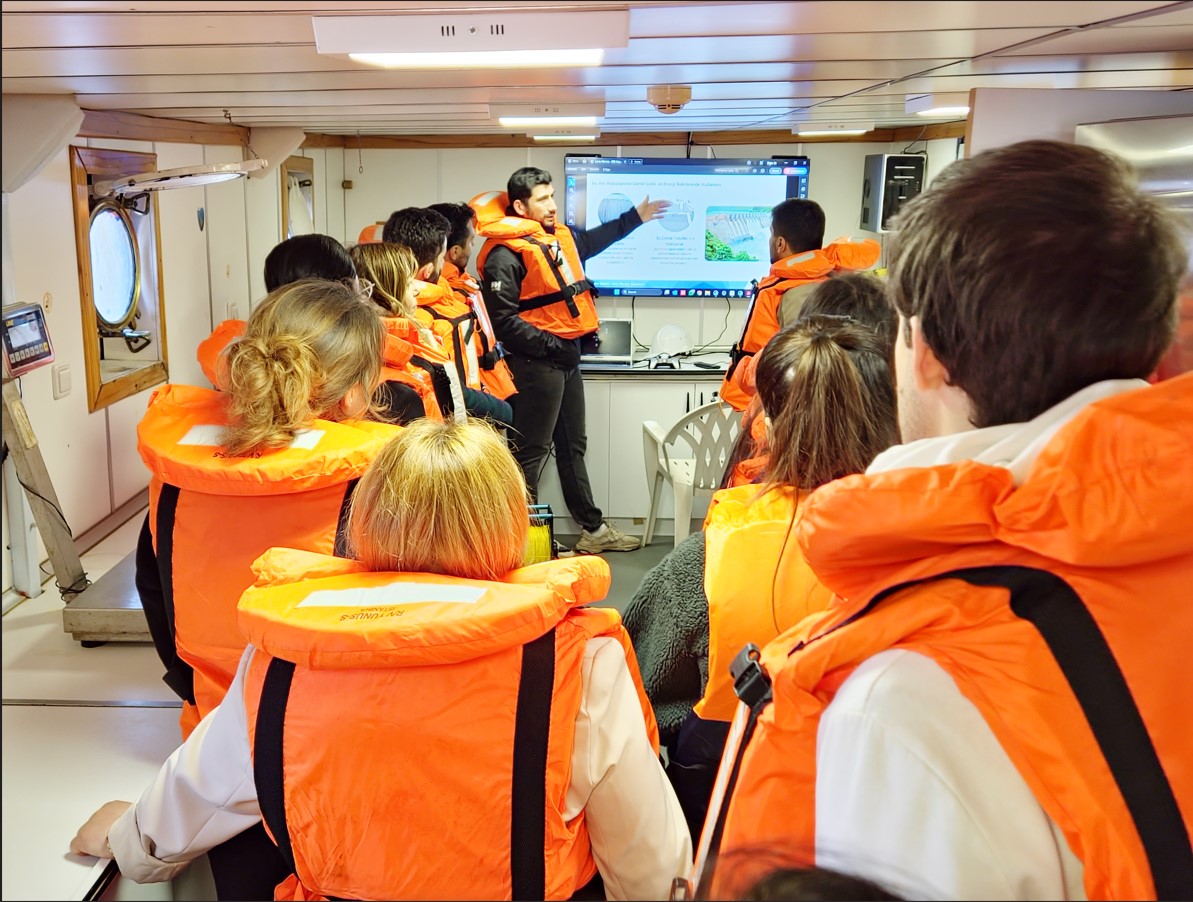
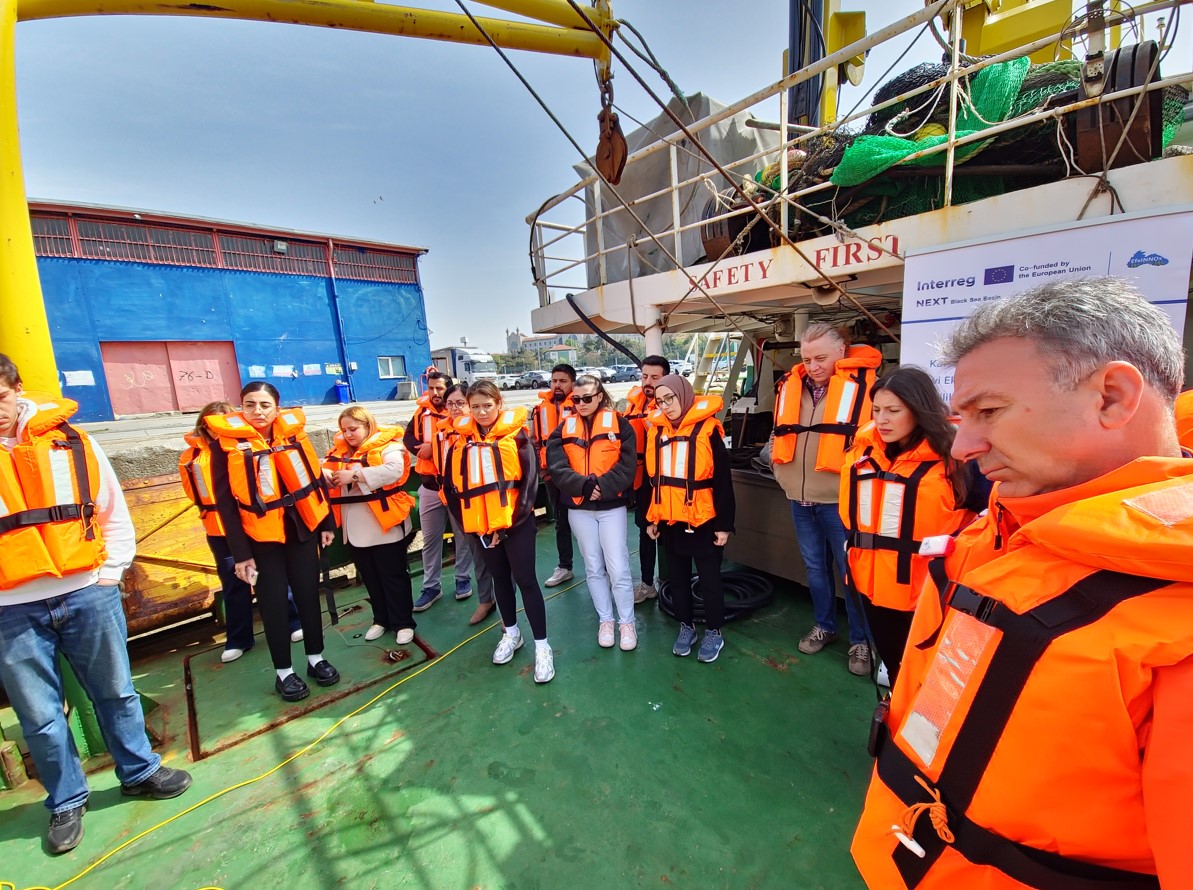
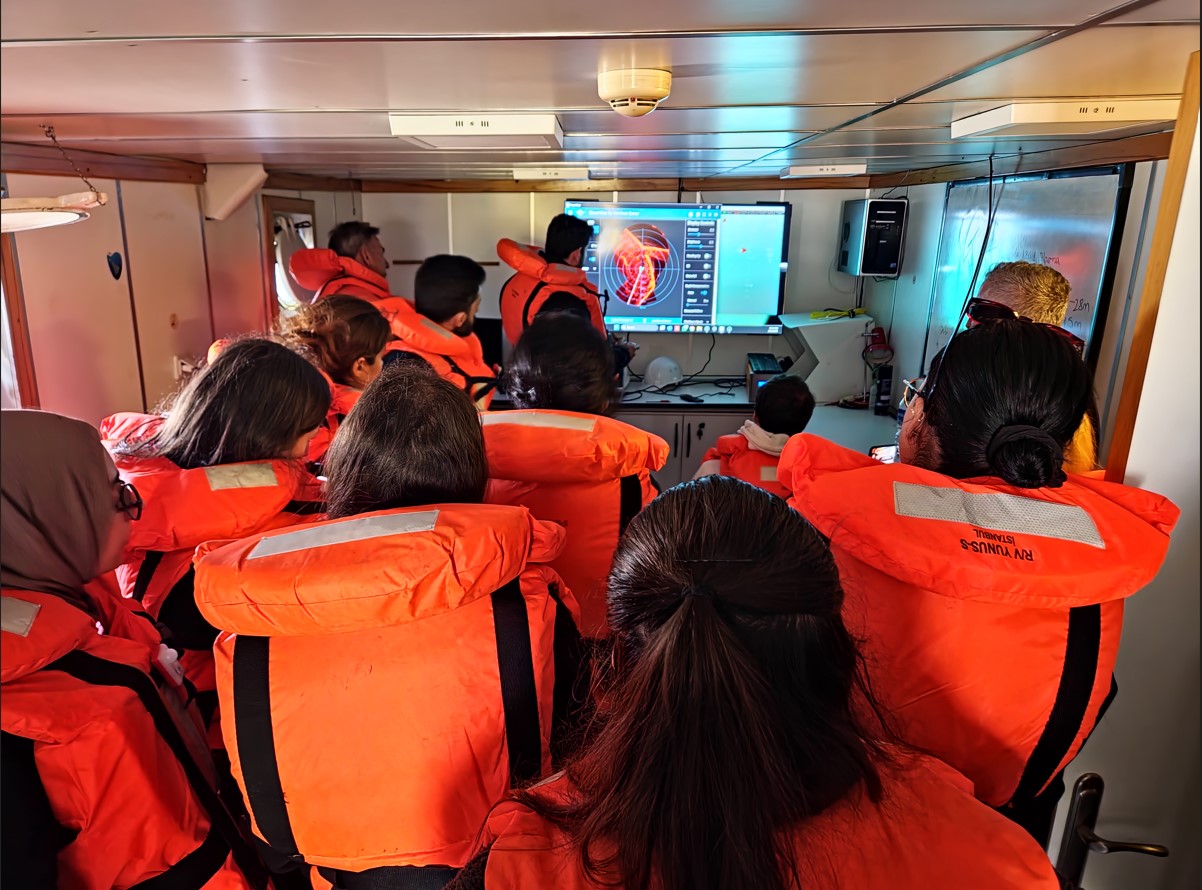
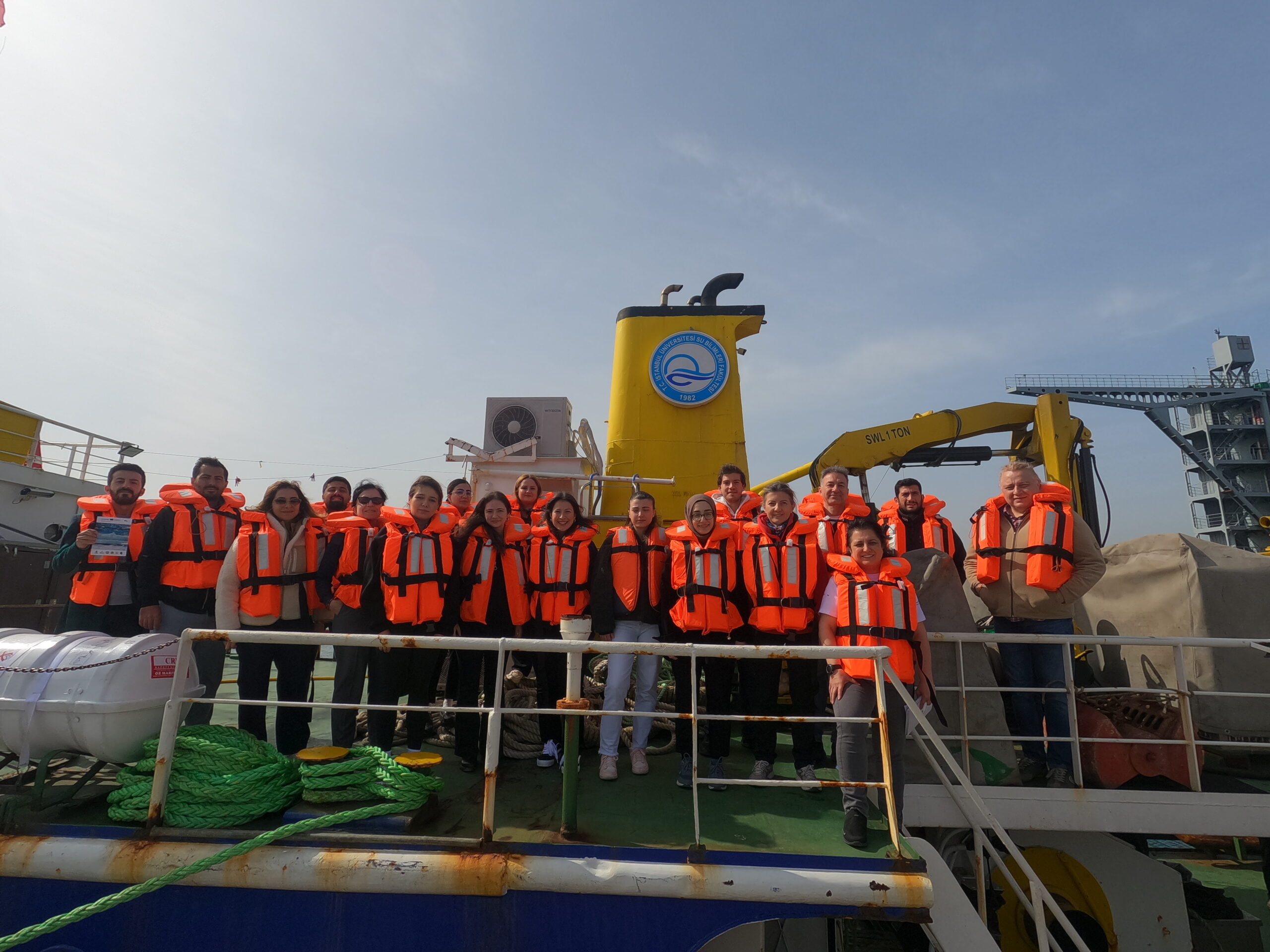
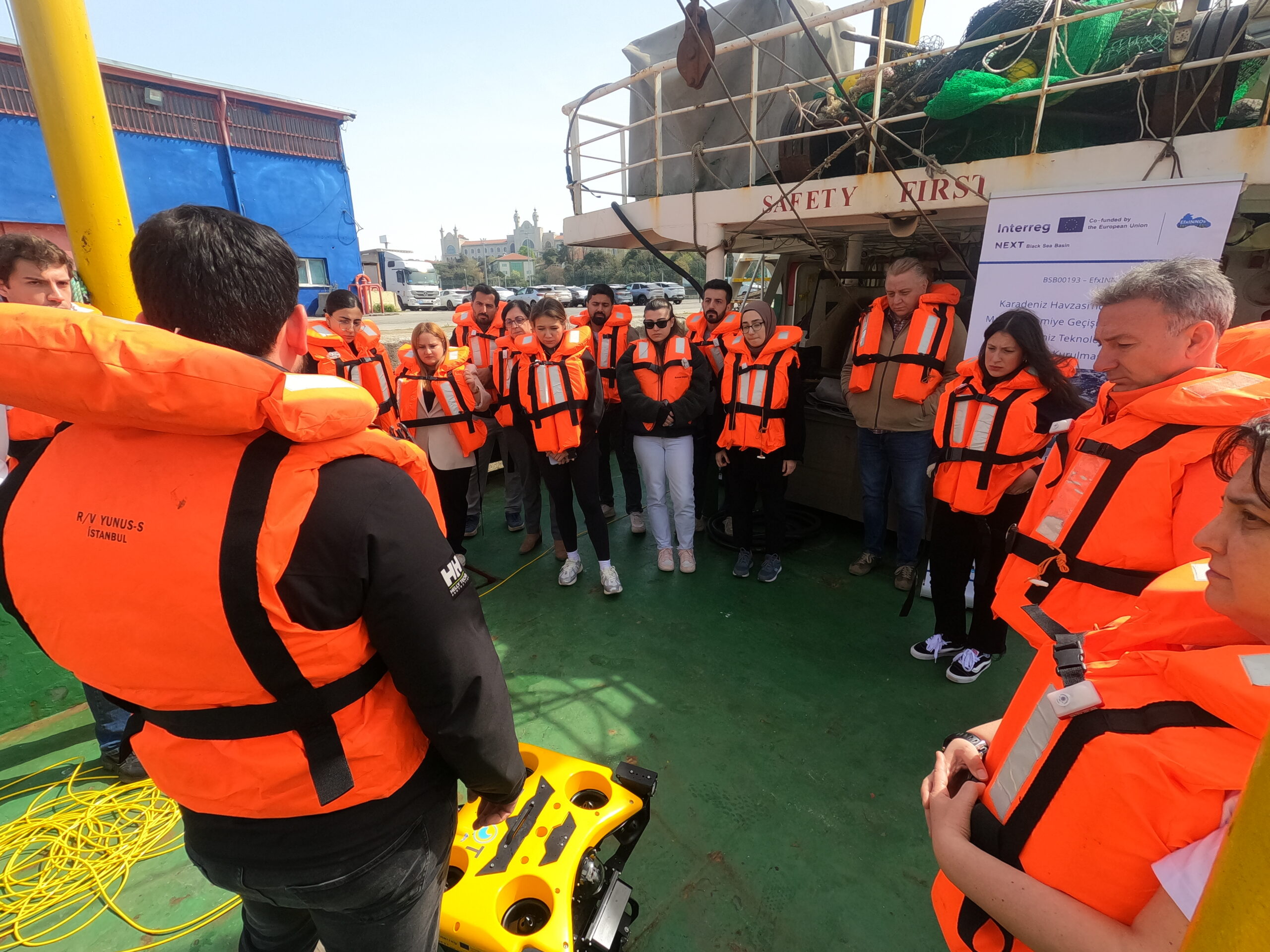
Aquatic Sciences and continued with practical sessions on board the YUNUS-S R/V, departing from Haydarpaşa Port. Throughout the day, participants first received theoretical training on the equipment’s technical specifications, application areas, setup, maintenance, and operational procedures. This was followed by hands-on sea trials, during which the equipment was deployed and tested in the field.
The installation and real-time operation of the ROV were demonstrated, enabling underwater imaging activities and data collection, which were later analyzed by the participants. A final discussion and evaluation session provided an opportunity for feedback on both the technical content and the practical functionality of the equipment.
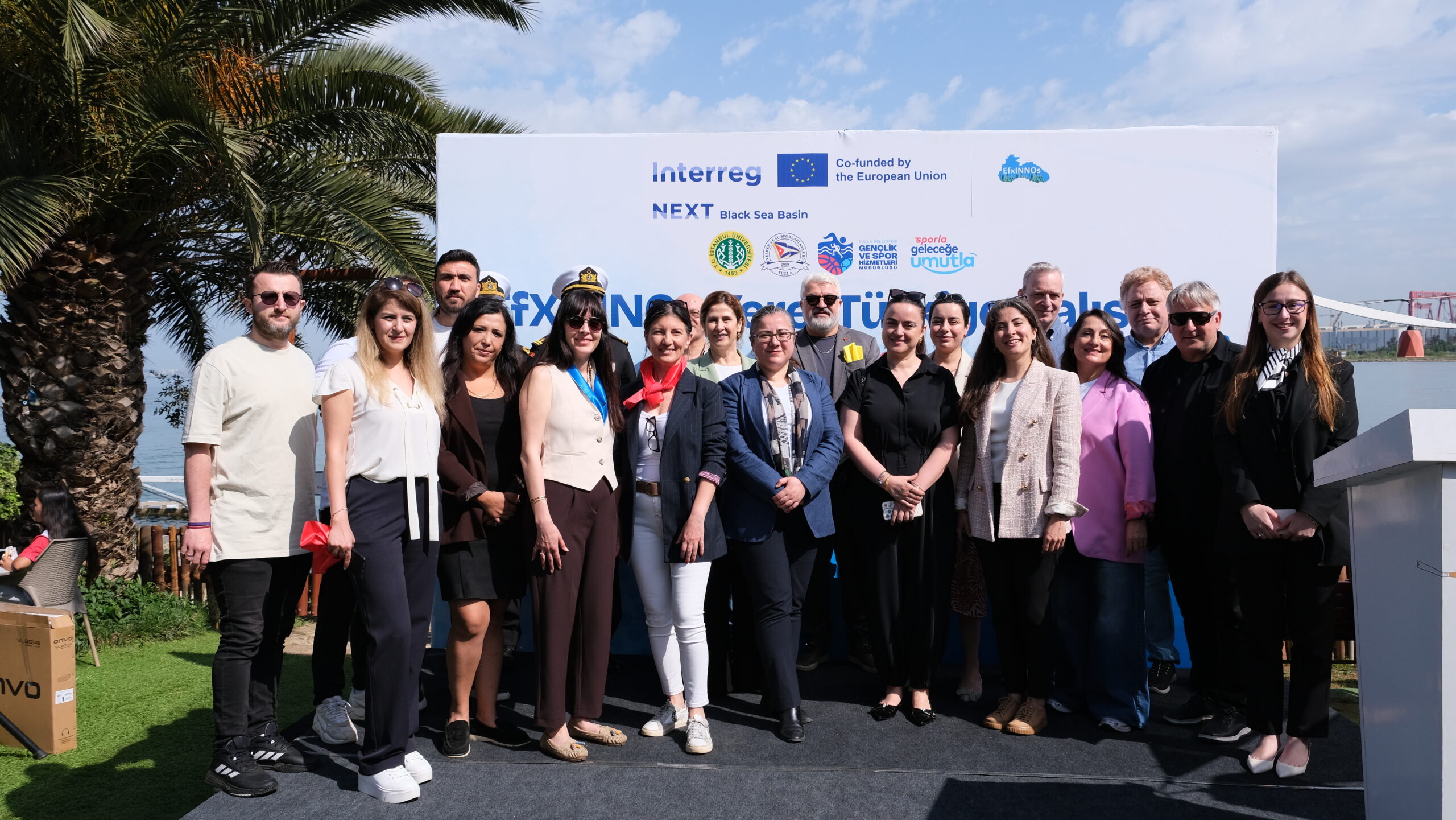
The diverse backgrounds of the participants enhanced interdisciplinary exchange and knowledge sharing. Bringing together representatives from academia, public institutions, and the private sector, contributed to a collaborative environment aligned with the objectives of the sustainable “blue economy”. The workshop served as a significant step in building technical capacity ahead of the marine research activities planned within the project and fostered opportunities for further cooperation among institutions.