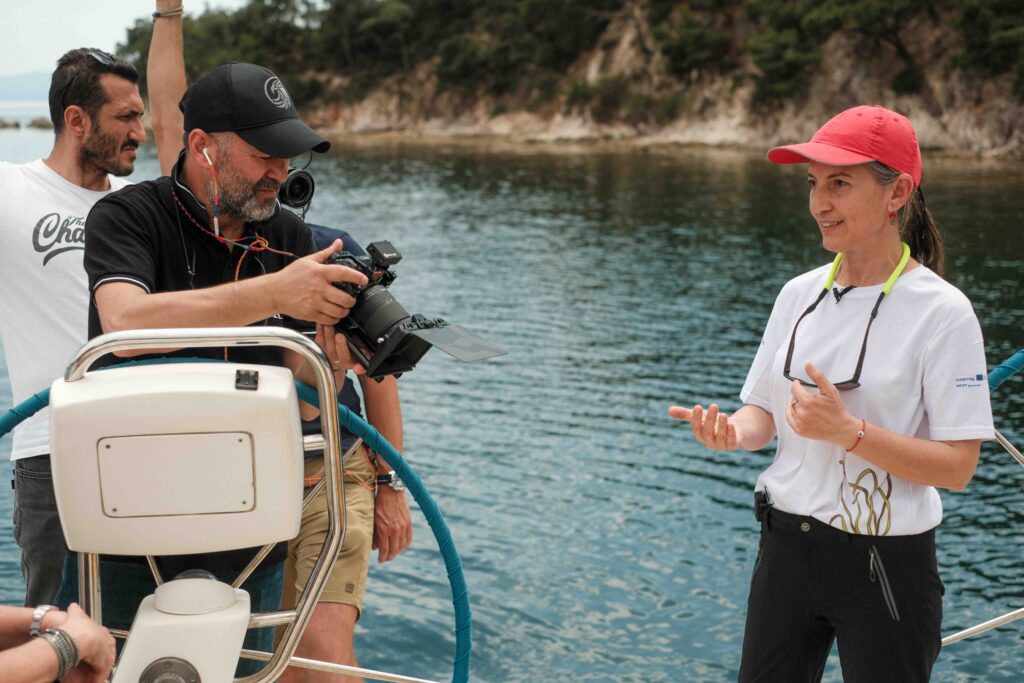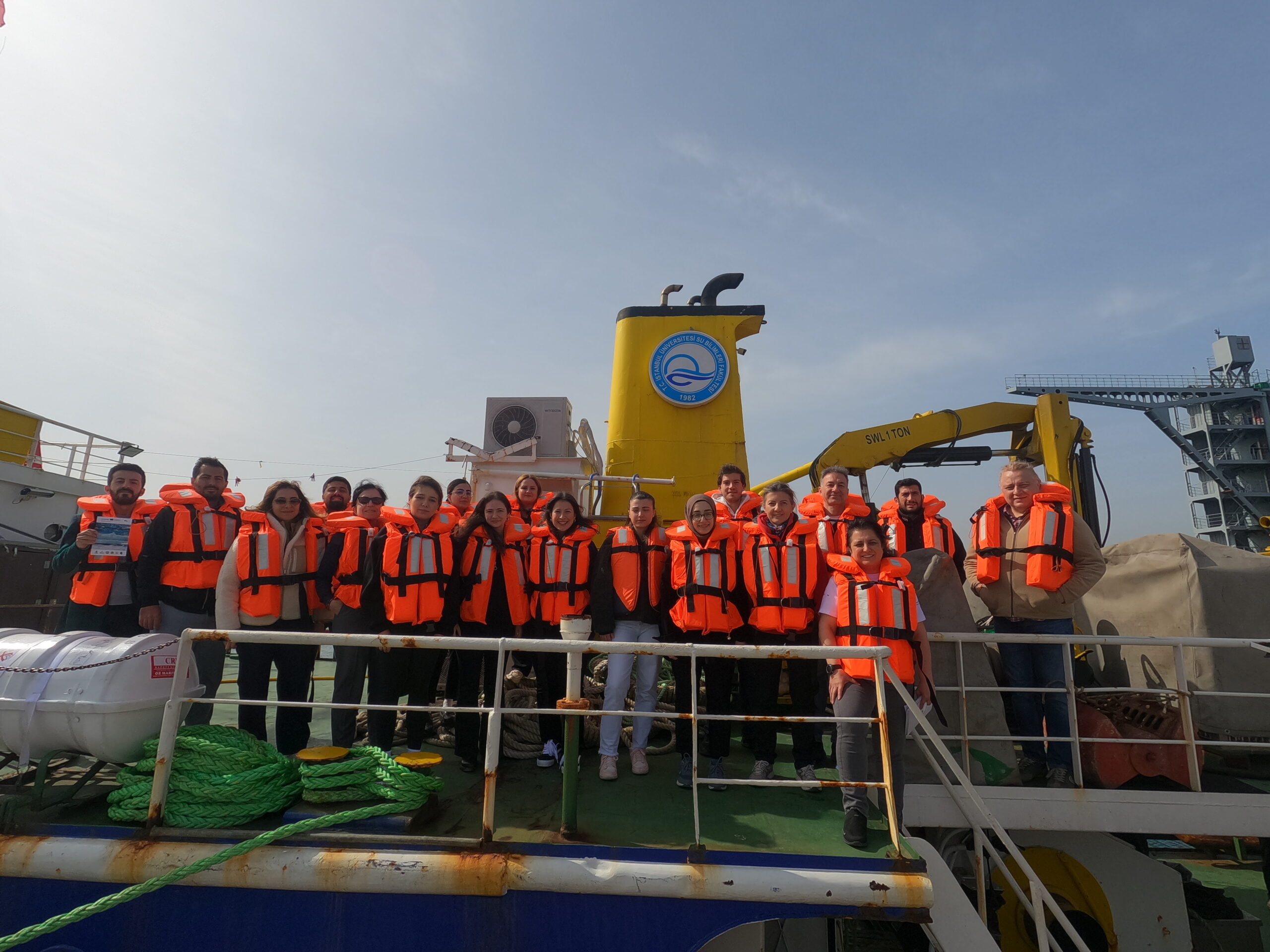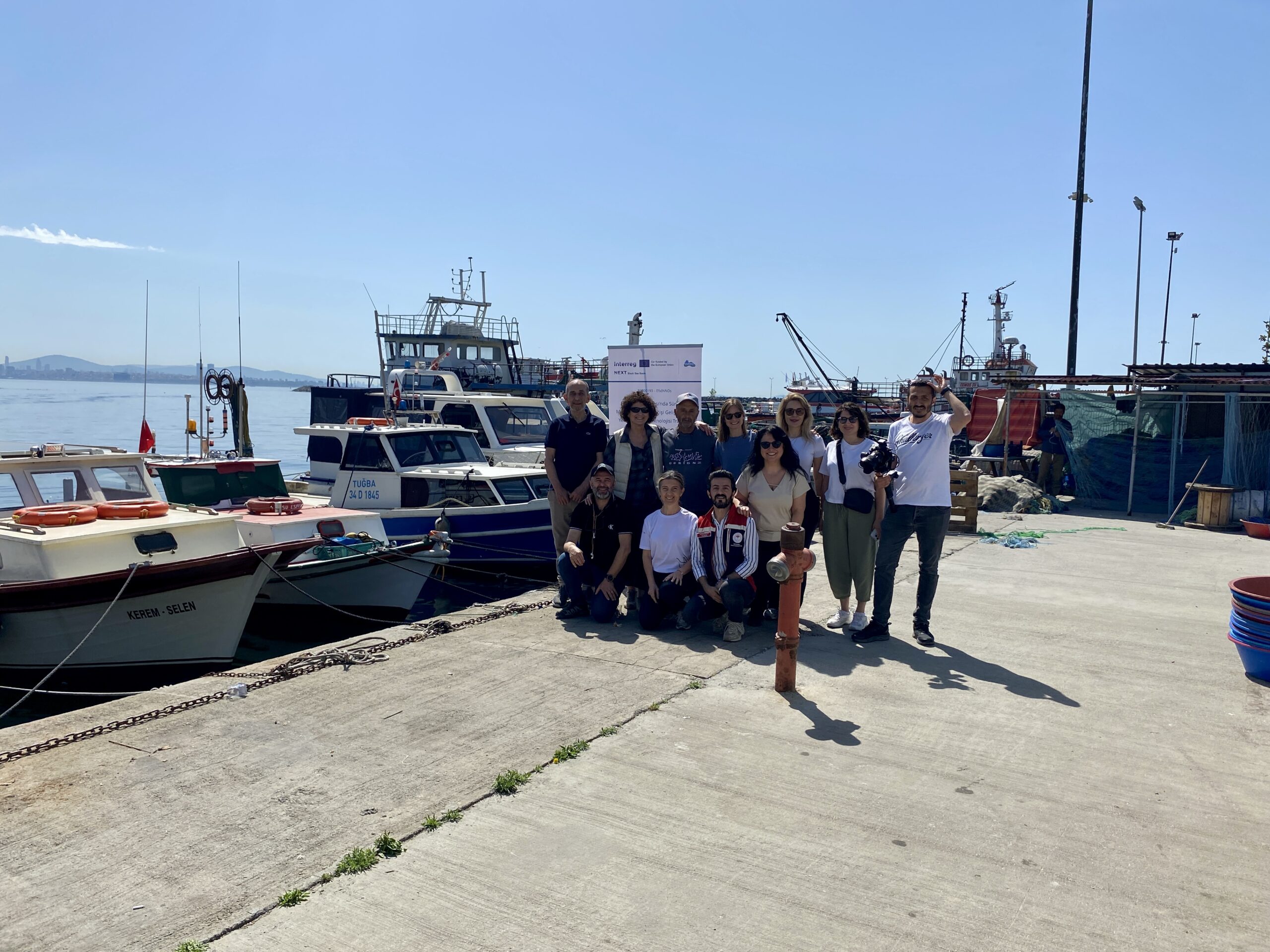
Istanbul, Turkey — On 22 May 2025, as part of the EfxINNOs project, the Project partners from the Istanbul University completed our fieldwork on May 22nd together with the TESIM team; while documenting their activities carried out with innovative technologies for monitoring, protecting, and tracking seagrass meadows, they also gathered valuable feedback from our stakeholders regarding the challenges they face, their needs, and expectations from the project. The team sincerely thank the LETNA MARINE team and Sailist Co for their invaluable support.
Activities Conducted During the TESIM Visit
During the monitoring visit held on 22 May 2025 with the participation of the TESIM team:
- Activities related to monitoring, protecting, and tracking seagrass meadows with innovative technologies were introduced,
- Sampling and technical observations conducted in a limited area were shared,
- One-on-one meetings with stakeholders were held to evaluate existing problems, needs, and the local awareness raised by the project.
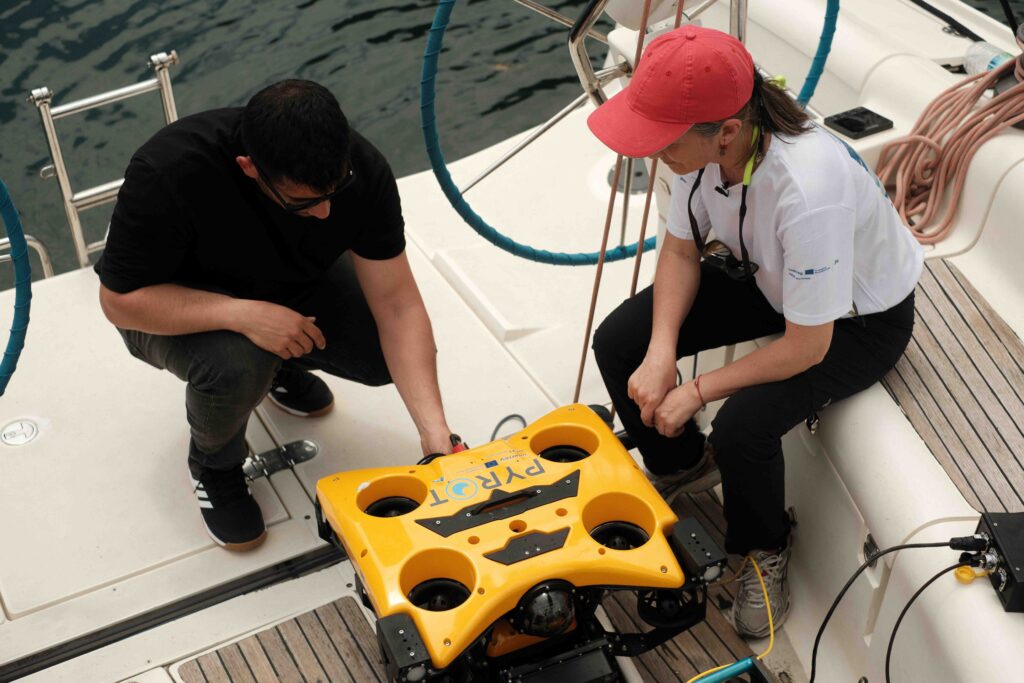
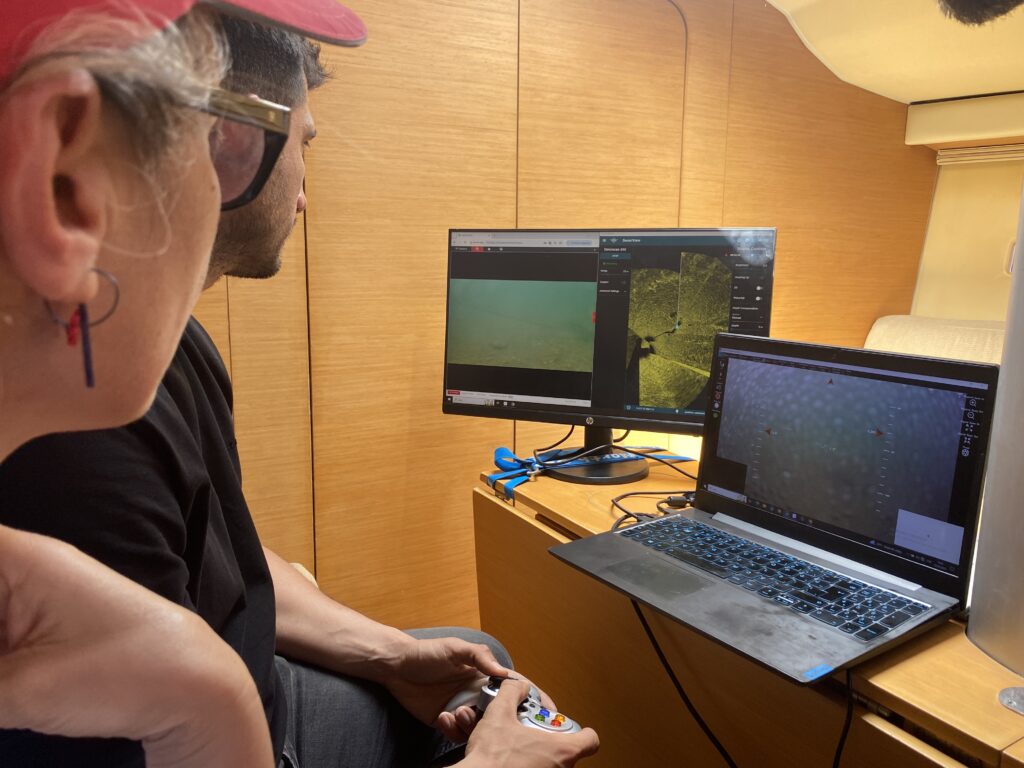
A brief preliminary assessment was made regarding the operation principles, data collection capabilities, and field advantages of the remotely operated underwater vehicle (ROV) system to be used in the project.
Stakeholder Interviews and Feedback
Some key points from meetings with stakeholders from various institutions during the visit include:
- Serkan BOZKURT (Republic of Turkey Ministry of Foreign Affairs, EU Presidency, Cross-Border Cooperation Department): Highlighted the strategic role of cross-border cooperation projects in environmental diplomacy, scientific capacity building, and regional integration processes.
- Kübra GEDİK (Istanbul University Faculty of Aquatic Sciences, Undergraduate Student): Volunteered for the project and contributed to its outreach through student clubs. She emphasized the importance of ecosystem awareness for younger generations with the words, “Protecting the seas is protecting the future of humanity.”
- Akın AKYILDIZ (Expert from Istanbul Provincial Directorate of Agriculture and Forestry): Shared information about national policies in place for the protection of seagrass meadows.
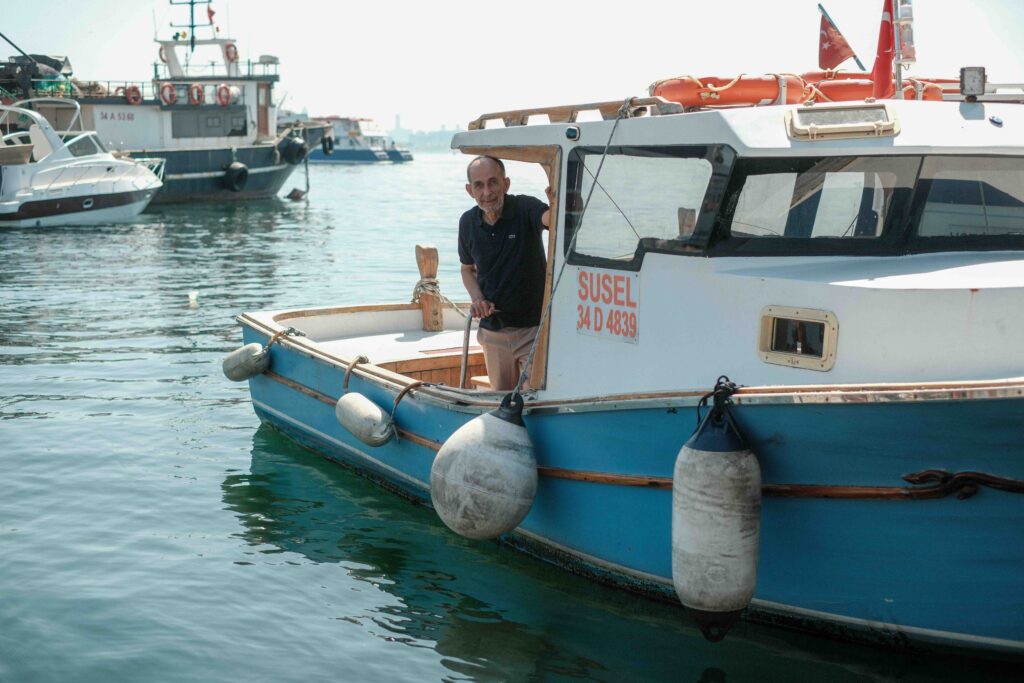
- Hüseyin ÖZBAY (Small-scale fisherman, representative of Eminönü fisheries cooperative): Reported that fishing activities have been adversely affected by human impacts over more than 50 years, noting worsening biodiversity, species populations, and catch efficiency. He stressed that a healthy marine environment is directly related to sustainable fisheries and expressed that monitoring efforts would contribute to the long-term welfare of coastal communities. He also mentioned the impact of the mucilage problem on fishing along Istanbul’s coasts, highlighting the importance of protecting natural habitats for fisheries productivity.
The EfxINNOs Project represents a holistic scientific, technological, and institutional approach to the transition towards a sustainable blue economy in the Black Sea Basin. The TESIM visit contributed to the transparency of ongoing activities, supported the local ownership of the project by various stakeholders, and provided valuable feedback. The use of innovative technologies in the field not only allows data collection from wide areas inaccessible by classical methods but also lays important groundwork for establishing an integrated and sustainable monitoring network in the Black Sea region.