27–29 October 2026 | Constanța, Romania
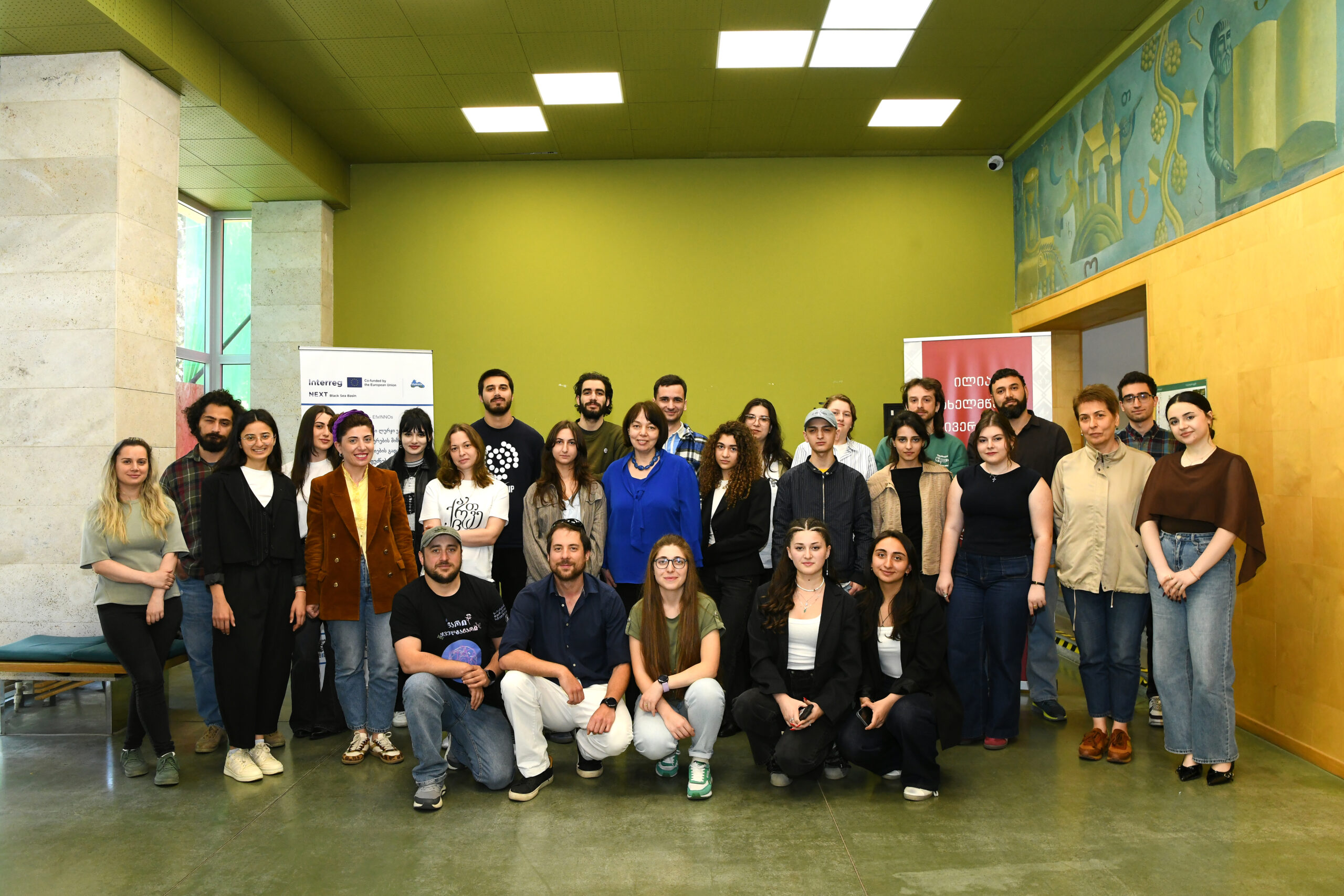
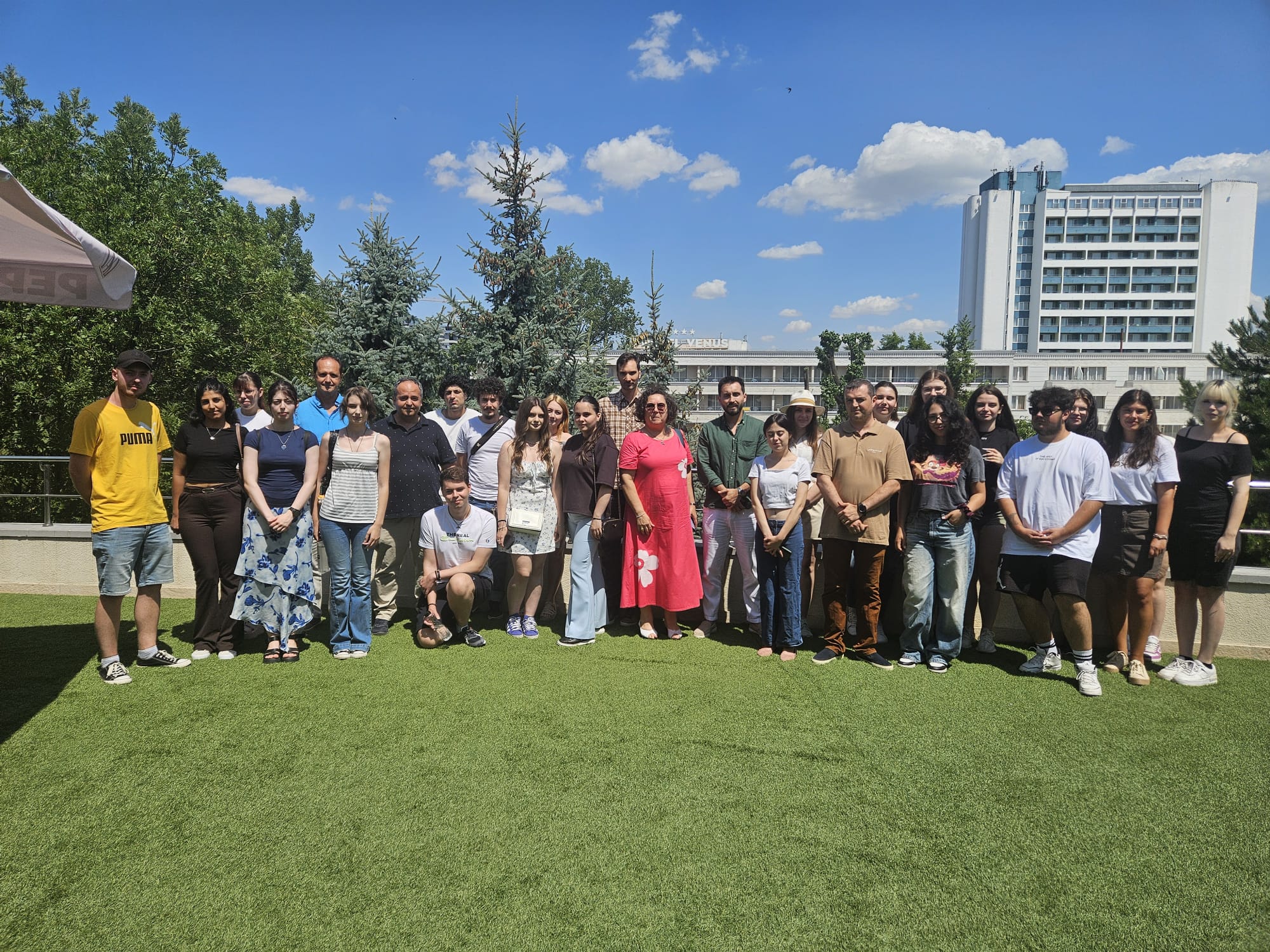
Scientific innovation, advanced marine technologies and international cooperation were at the centre of a three-day programme organised within the EfxINNOs project in Constanța, Romania, from 27 to 29 October 2026. The programme brought together project partners, researchers, students, young professionals and local experts for a project partnership meeting, the 4th Joint Open Training Workshop, and a field visit focused on coastal protection and shoreline management.
The events were hosted at Ovidius University of Constanța during the first two days and organised by the National Institute for Marine Research and Development “Grigore Antipa” (NIMRD), in cooperation with the EfxINNOs consortium.
Day 1: Reviewing project achievements and preparing for the final implementation phase
On 27 October, the EfxINNOs partners gathered for a project meeting dedicated to reviewing the results achieved after 26 months of implementation, coordinating outstanding activities and preparing for the final phase of the project.
The technical sessions covered the collection and harmonisation of data, images and videos obtained from Autonomous Underwater Vehicles (AUVs) and Remotely Operated Vehicles (ROVs), the assessment of marine litter and pollution risks, and the application of machine learning and artificial intelligence to marine habitat analysis.
Partners also presented their work on processing physicochemical data collected by surface buoys, developing short-term forecasts, validating satellite data and sharing project results with the Copernicus Marine Monitoring Service. Particular attention was given to assessing the health of benthic habitats and translating scientific findings into policy recommendations that can support the protection of the Black Sea marine environment.
The meeting also reviewed progress in communication and public engagement, including the organisation of public events, publications, website updates and social media activities. Discussions focused on coordinating the remaining tasks, strengthening cooperation among partners and ensuring the effective completion and dissemination of project results.
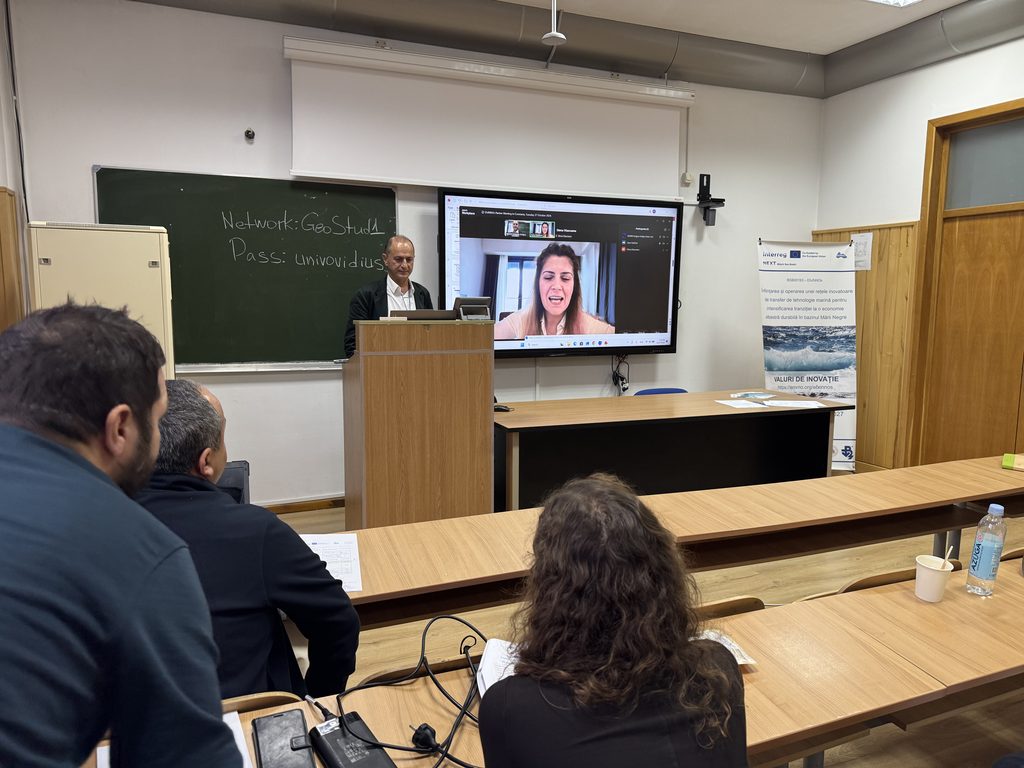
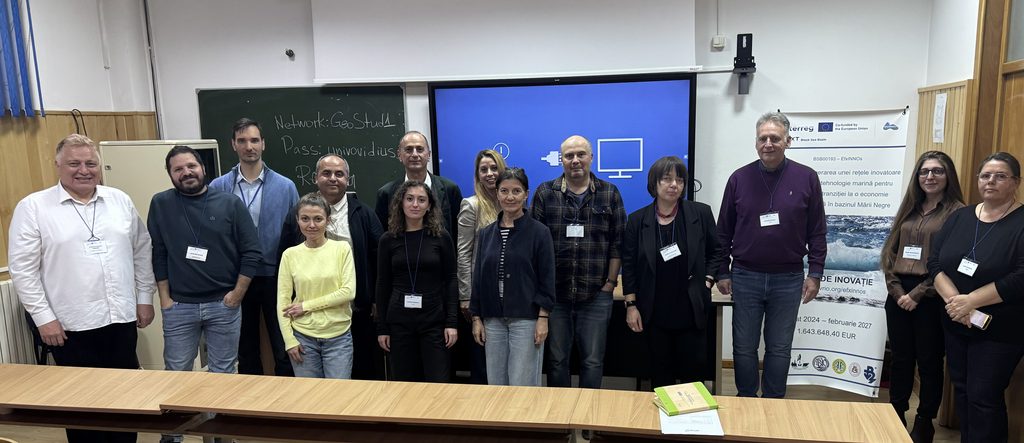
Day 2: Advancing marine science through technology and knowledge exchange
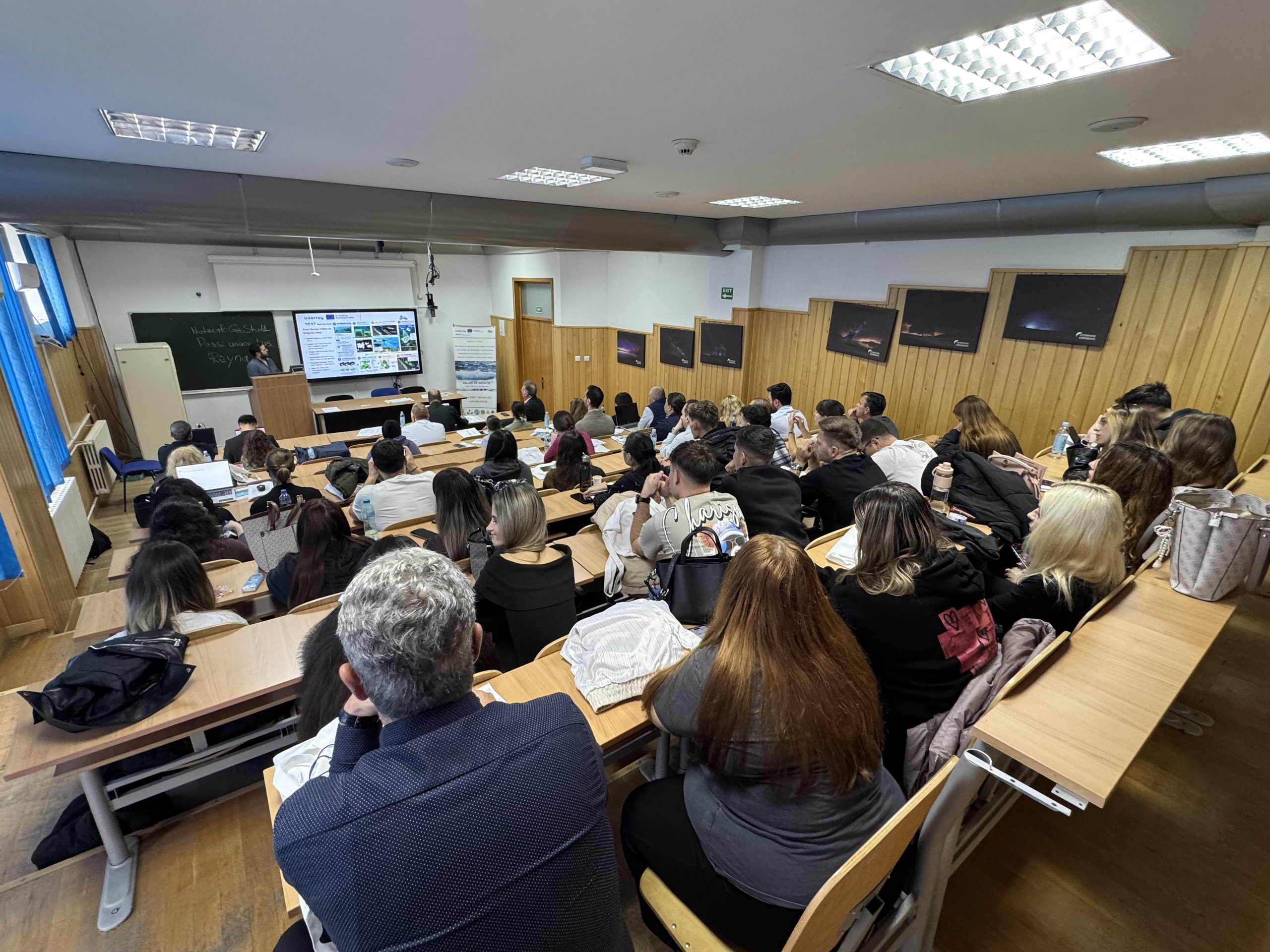
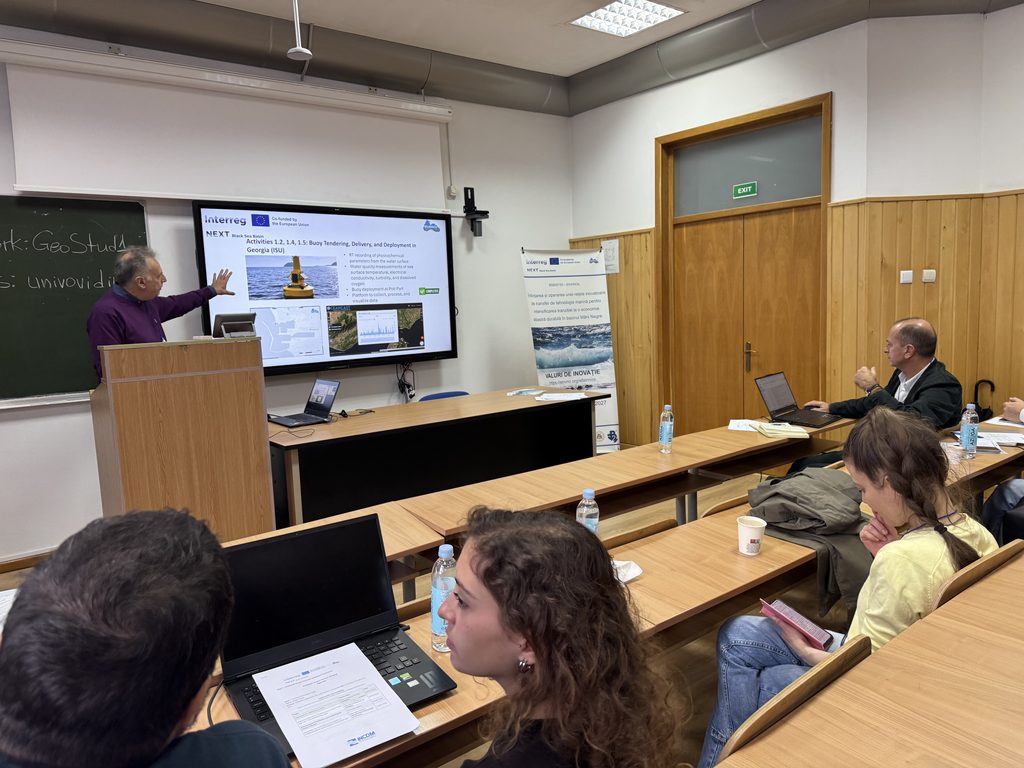
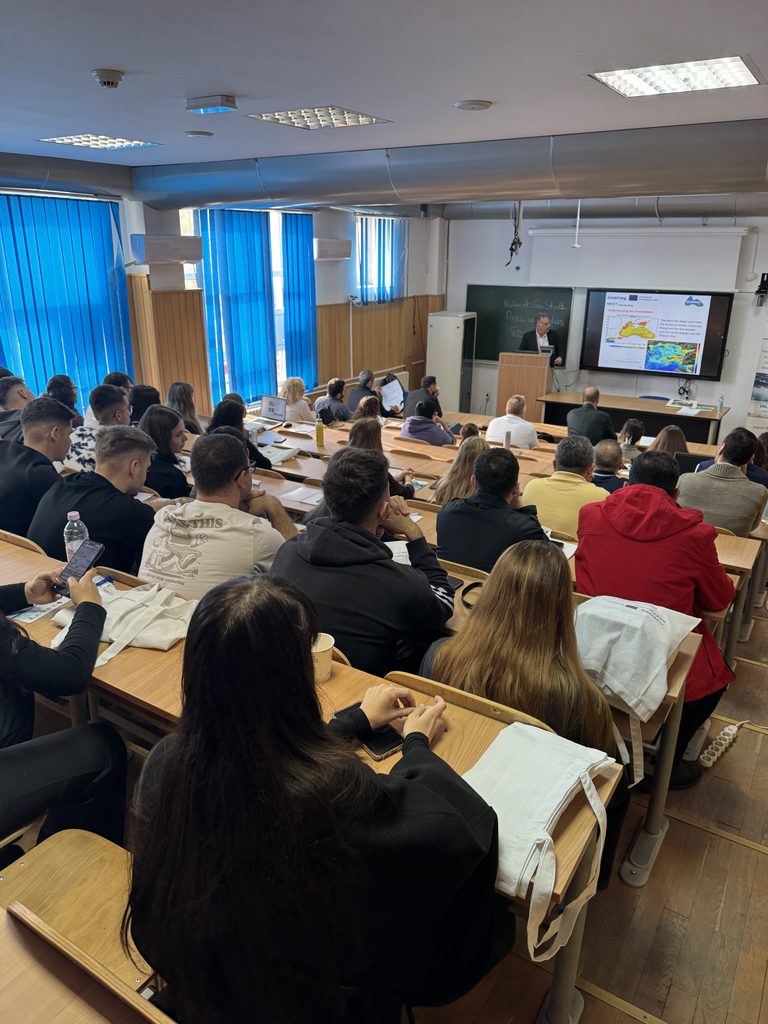
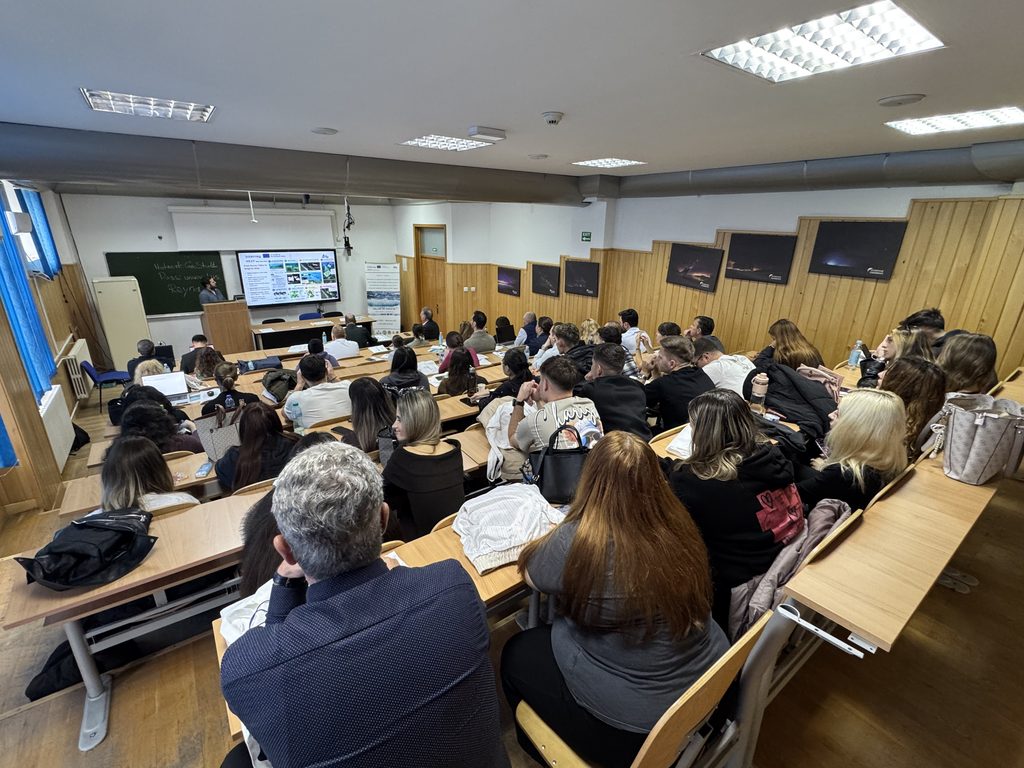
On 28 October, the 4th EfxINNOs Joint Open Workshop: “An Innovative Marine Technology Transfer Network for Blue Growth in the Black Sea Basin” brought together more than 60 students, early-career scientists, researchers, local experts and project partners to explore the practical applications of advanced marine technologies and the scientific results achieved through the project.
The workshop opened with presentations on EfxINNOs objectives, key achievements and its contribution to the implementation of the EU Marine Strategy Framework Directive. Participants were introduced to the potential of autonomous oceanographic instruments as part of a future marine observatory network in the Black Sea, as well as to digital image analysis systems for identifying and examining marine objects.
The programme featured a series of specialised presentations addressing key areas of marine research and environmental monitoring:
- Monitoring the seabed and marine litter through mini Autonomous Underwater Vehicles (mAUVs) and advanced marine observation technologies.
- Monitoring benthic habitats and seagrass meadows using machine learning and image analysis.
- Integrated marine monitoring in the Georgian Black Sea, presenting the EfxINNOs approach and practical experience.
- Assessing coastal ecosystem metabolism using high-frequency in-situ sensor data and dissolved oxygen modelling.
- Benthic habitat assessment using ROV data, drawing on project experience in Türkiye.
- Combining Unmanned Aerial Vehicle (UAV) imagery with in-situ surveys to monitor seagrass habitats along the Romanian coast.
- Digital data, standards and analytics to strengthen the competitiveness of the blue economy in the Black Sea Basin.
The presentations demonstrated how underwater vehicles, sensor systems, remote sensing, artificial intelligence and machine learning can improve marine data collection and analysis, supporting more accurate assessments of sensitive ecosystems and better-informed environmental management.
The participation of students and young professionals was an important element of the workshop. Direct engagement with researchers and practitioners provided an opportunity to explore real-world applications of marine technologies, exchange knowledge and gain insight into emerging professional opportunities in marine science and the blue economy.
A local press conference was also held as part of the event, providing an opportunity to present the project’s progress, objectives and expected impact to the media and wider public. The discussion highlighted the importance of international cooperation, effective communication and knowledge transfer in addressing shared environmental challenges across the Black Sea Basin.
The workshop concluded with an evaluation and a summary of the main outcomes, reinforcing the value of scientific cooperation, professional networking and capacity-building for sustainable marine management.
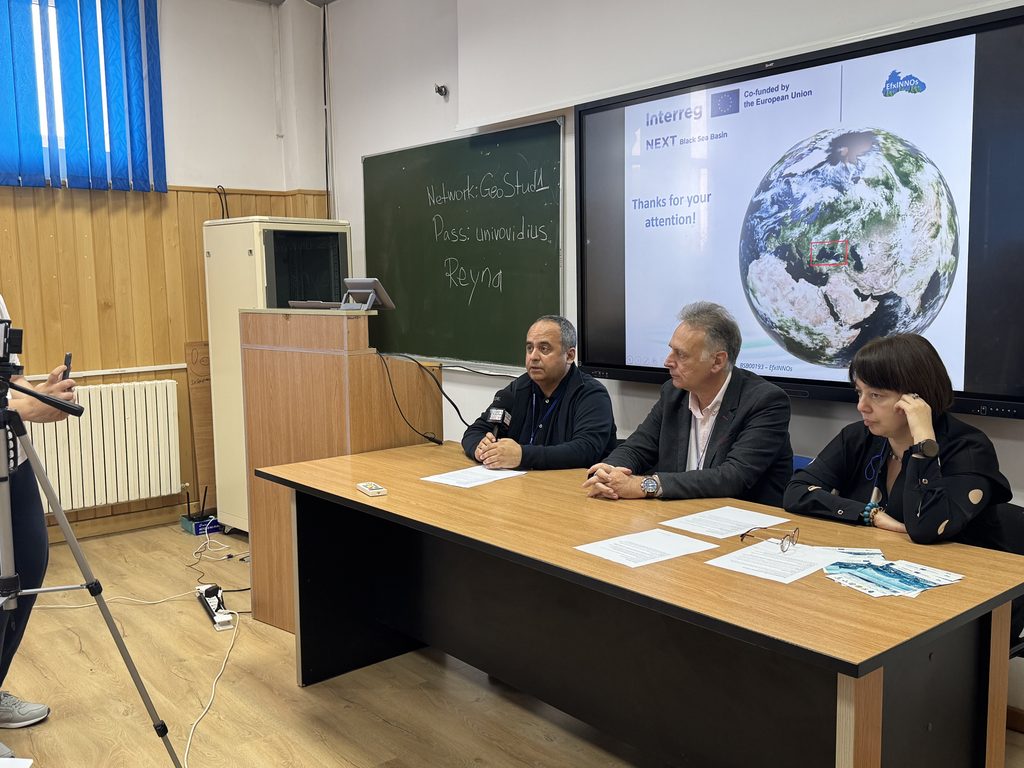
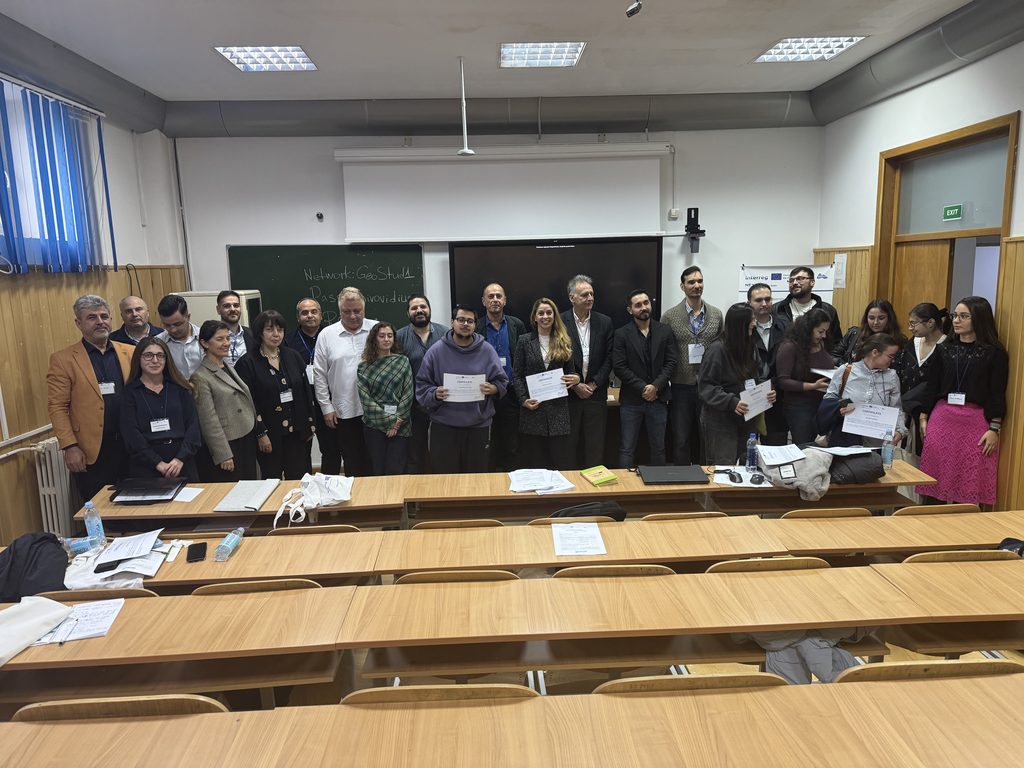
Day 3: Field visit exploring coastal protection and shoreline management
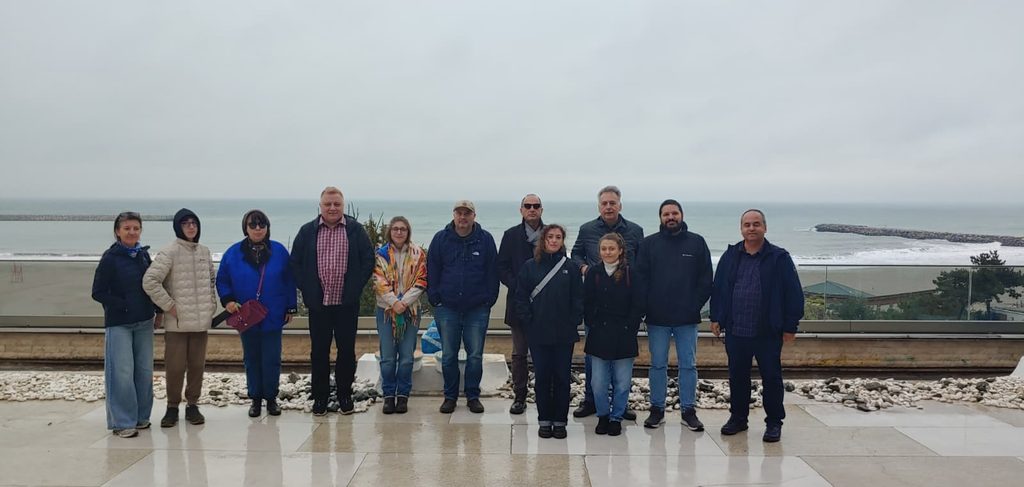
On 29 October, the programme continued with a field visit to the Eforie Sud area in Constanța County, focusing on practical approaches to coastal management and shoreline protection.
Participants were introduced to the objectives of beach-widening works in the tourist resorts of Saturn, Mangalia and 2 Mai. A guided visit along the coastline in the Costinești area provided an opportunity to observe widened beach sections and coastal protection measures.
The visit offered a practical perspective on interventions designed to manage coastal areas and highlighted the importance of scientific evidence and expert assessments in planning and implementing shoreline protection measures.
By connecting the scientific and technological themes explored during the first two days with real-world coastal management challenges, the field visit reinforced the relevance of integrated approaches to marine and coastal sustainability.
The three-day programme in Constanța highlighted the value of collaboration between research institutions, universities, technical experts and other stakeholders in advancing marine science and environmental protection. Through the exchange of expertise, the development of innovative monitoring approaches and the dissemination of scientific findings, the EfxINNOs consortium continues to support the transfer of marine technologies and the application of evidence-based solutions to regional environmental challenges. The events demonstrated that effective marine protection requires more than advanced technologies and reliable scientific data. It also depends on sustained international cooperation, informed decision-making, knowledge sharing and the active involvement of young people and local communities.
Through EfxINNOs, the consortium is advancing marine technology transfer and scientific cooperation in support of a healthier Black Sea and a more competitive and sustainable blue economy across the region.