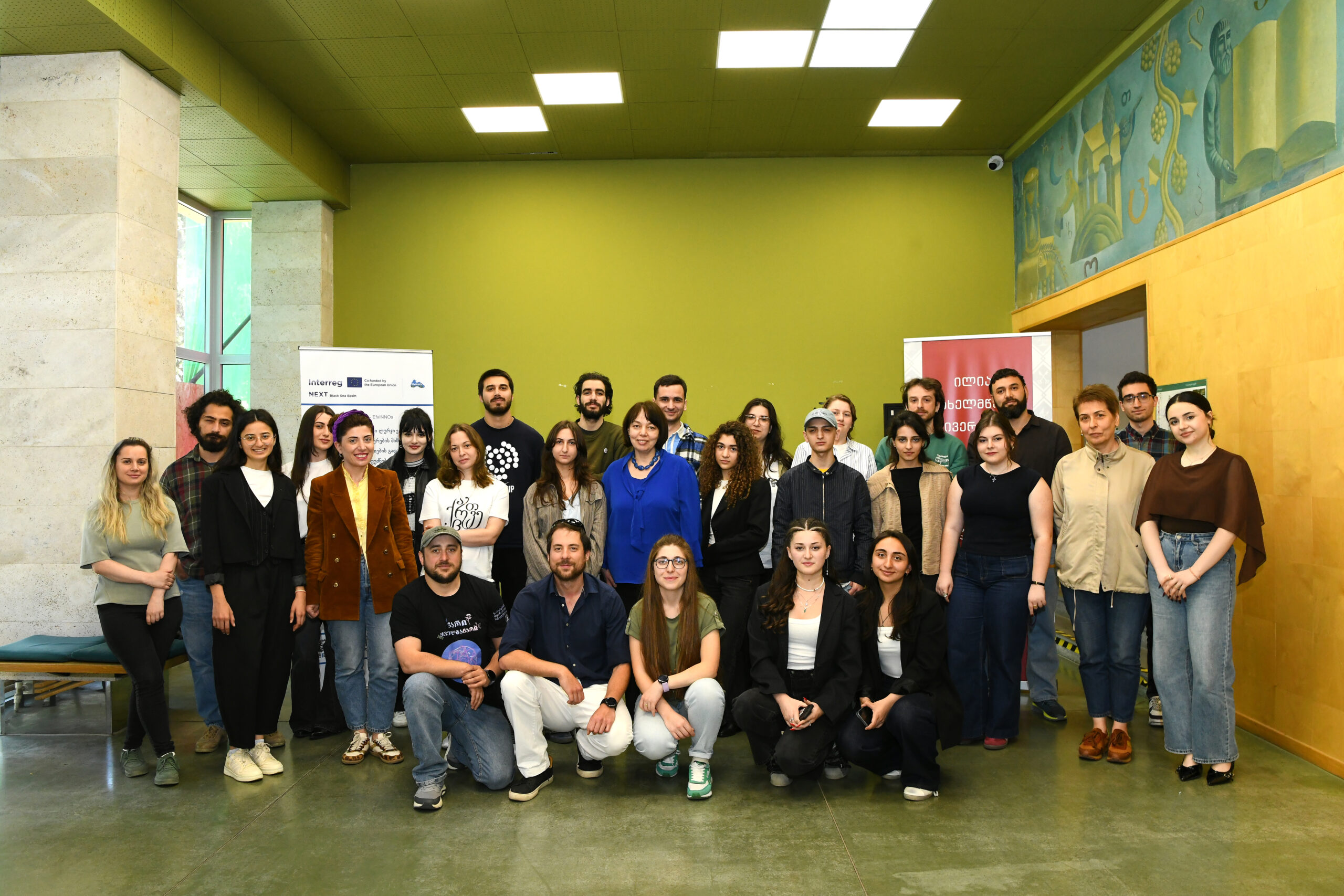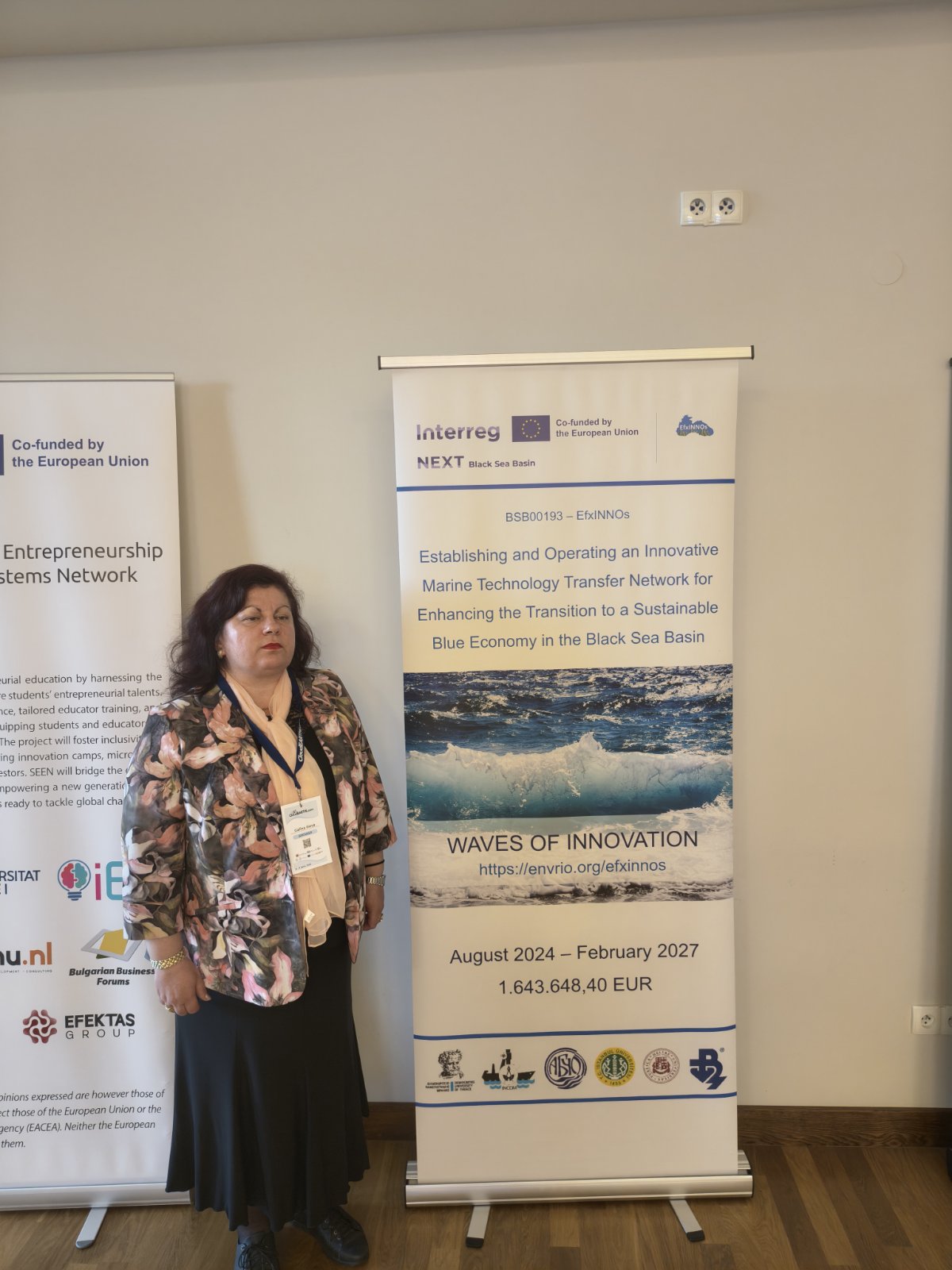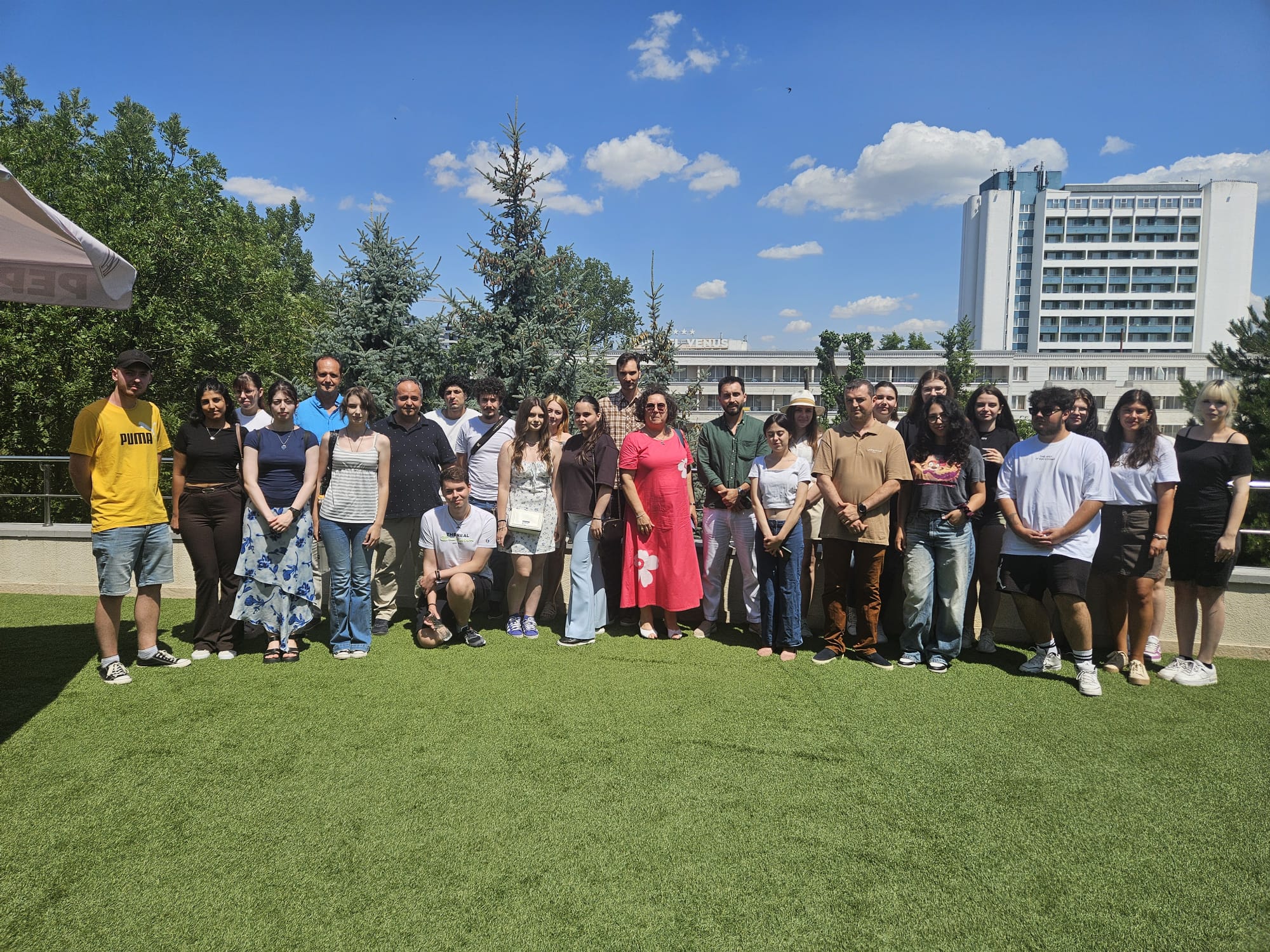
On 7–8 July 2026, the National Institute for Marine Research and Development “Grigore Antipa” (NIMRD), Romania, successfully organized a two-day series of events in Constanța under the EfxINNOs project (Establishing and Operating an Innovative Marine Technology Transfer Network for Enhancing the Transition to a Sustainable Blue Economy in the Black Sea Basin), funded by the Interreg NEXT Black Sea Basin Programme 2021–2027.
The events, held as part of the European Maritime Day 2026 activities, brought together researchers, stakeholders, students, and environmental professionals to promote innovative marine technologies and strengthen cooperation in support of a sustainable Blue Economy in the Black Sea region.
The programme consisted of two complementary workshops.
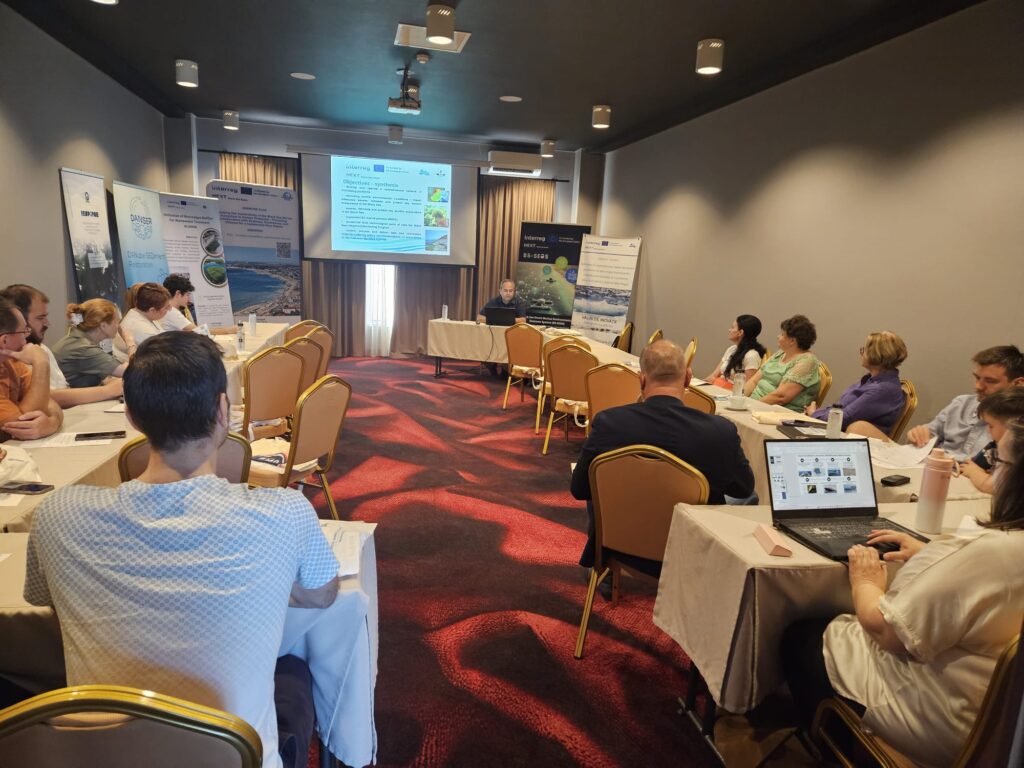
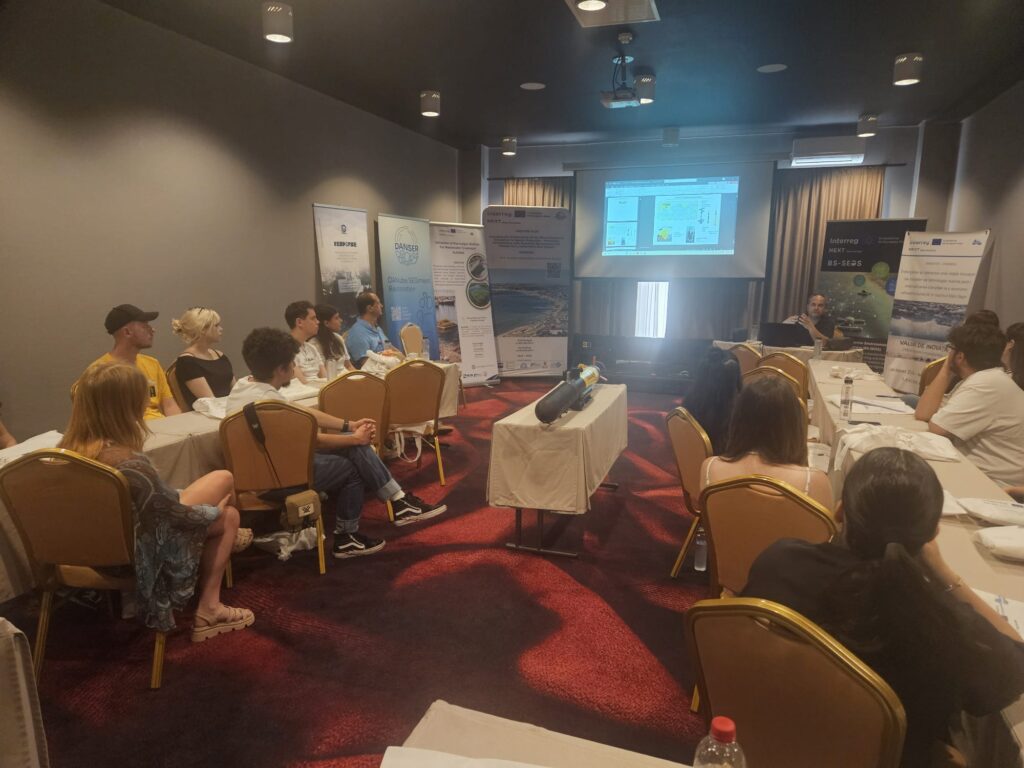
On 7 July, NIMRD hosted a Stakeholder Consultation Workshop, which brought together experts and representatives from relevant organizations to discuss current challenges facing marine ecosystems and explore the role of innovative technologies in their monitoring, conservation, and sustainable management. The workshop showcased NIMRD’s ongoing research activities and encouraged dialogue on strengthening collaboration between the scientific community and key stakeholders.
The discussions focused on several important topics, including:
- The ecological importance of benthic ecosystems and Posidonia seagrass meadows.
- The application of advanced marine monitoring technologies, including micro-Autonomous Underwater Vehicles (micro-AUVs), environmental sensors, and Artificial Intelligence (AI) tools for habitat mapping and environmental data collection.
- Modern analytical methods for assessing coastal protection works and evaluating the impacts of accidental marine oil spills.
- The potential of algae as renewable marine energy resources, contributing to Blue Growth and sustainable marine governance.
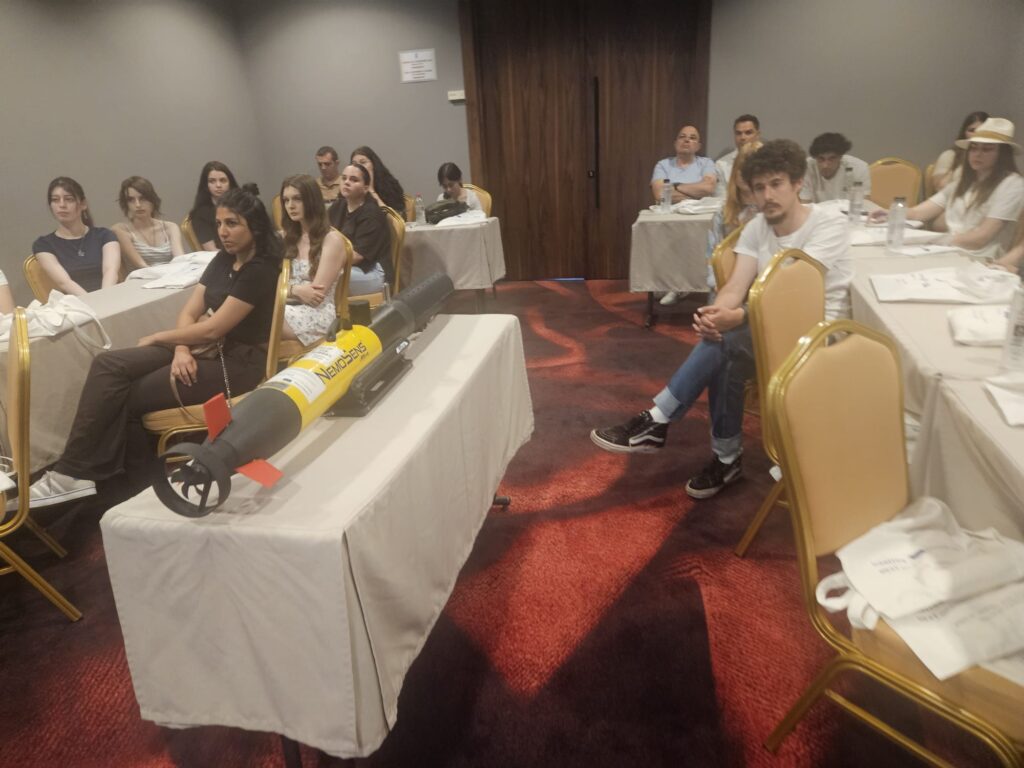
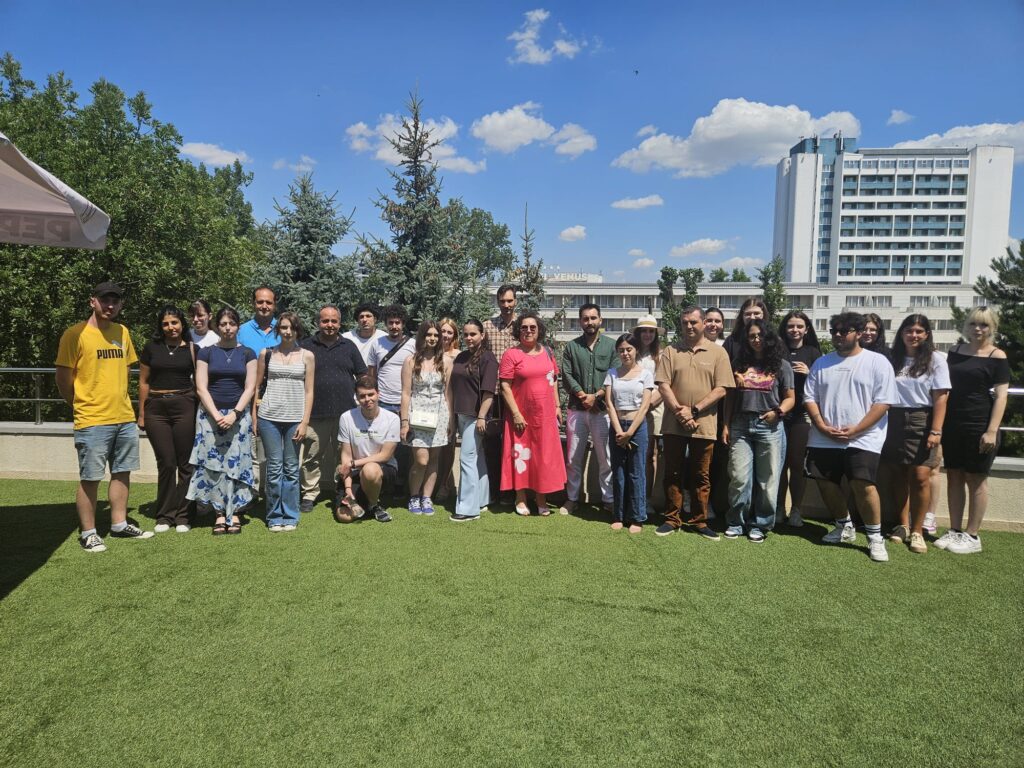
On 8 July, NIMRD organized a Training Workshop on the Use of Autonomous Underwater Vehicles (AUVs) for students from Ovidius University of Constanța and the University of Bucharest. The training introduced participants to the principles and practical applications of autonomous underwater technologies used in marine research and environmental monitoring. Students gained valuable insights into the capabilities of these innovative systems and their role in collecting high-quality marine data to support ecosystem assessment and conservation.
The two-day event provided an excellent platform for knowledge exchange, stakeholder engagement, and capacity building. By combining scientific discussions with practical training, the workshops strengthened cooperation between researchers, public stakeholders, and the next generation of marine scientists.
These activities directly support the objectives of the EfxINNOs project by promoting innovation, enhancing technology transfer, and encouraging the adoption of advanced marine monitoring solutions across the Black Sea Basin. The workshops also highlighted the importance of education and collaboration in building the expertise needed to address future marine environmental challenges.
The EfxINNOs consortium sincerely thanks the National Institute for Marine Research and Development “Grigore Antipa” for successfully organizing these events and expresses its appreciation to all speakers, stakeholders, and students whose active participation contributed to their success.