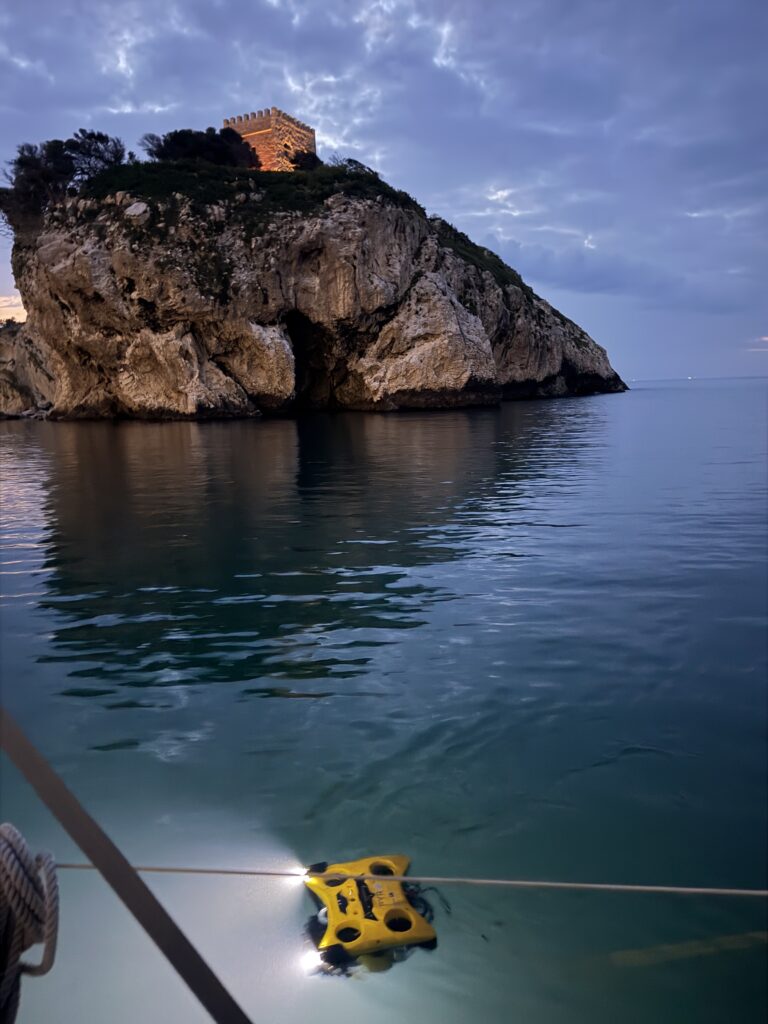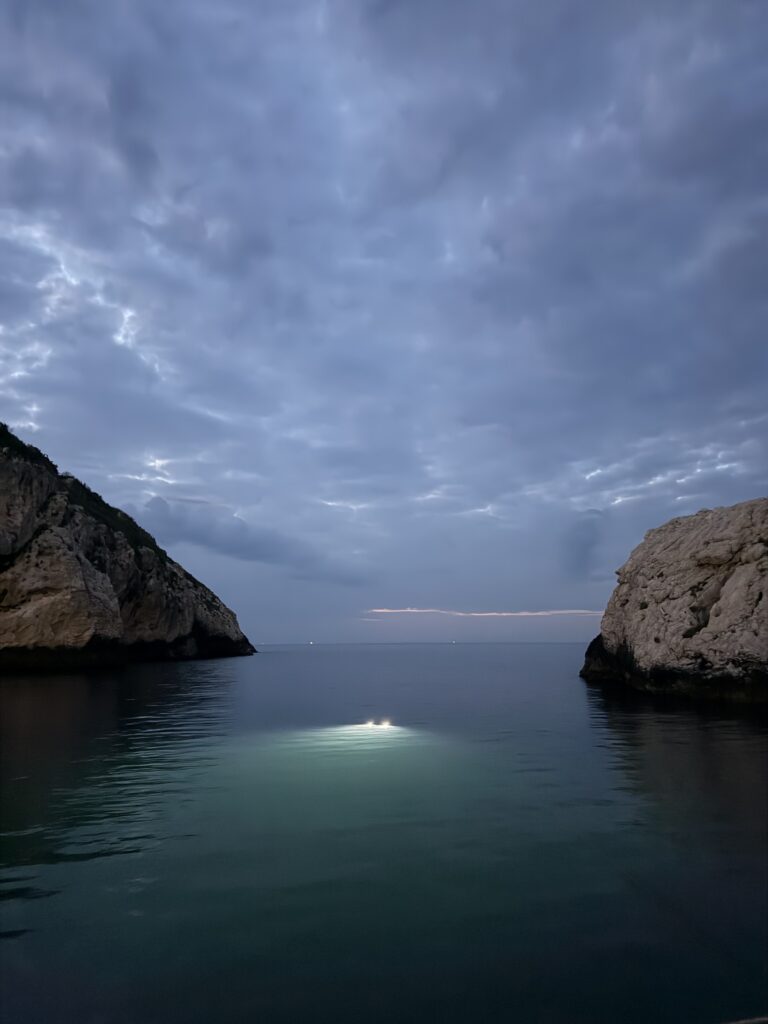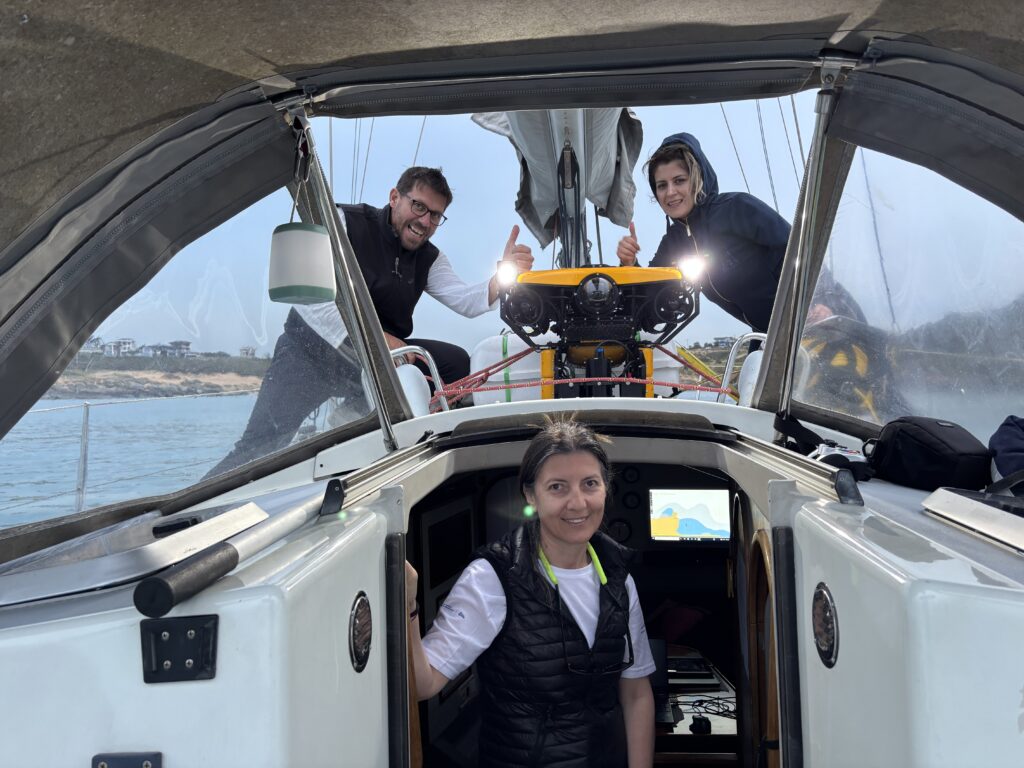
As part of the EfxINNOs Project, a field study led by the Faculty of Aquatic Sciences at Istanbul University brought together scientists, expert maritime operators, and the field knowledge of the maritime sector along the Black Sea coast.
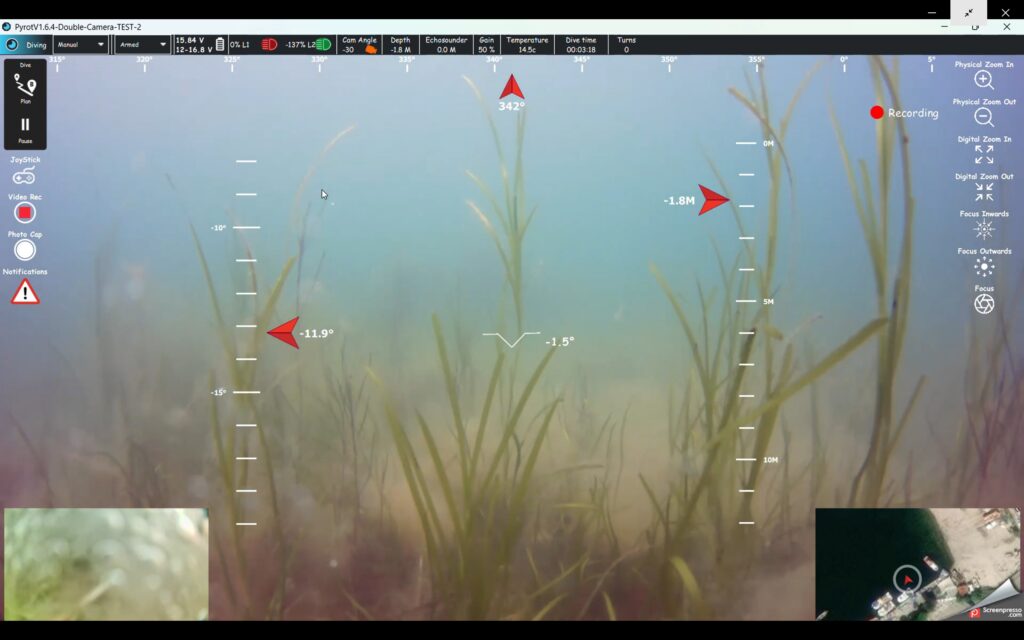
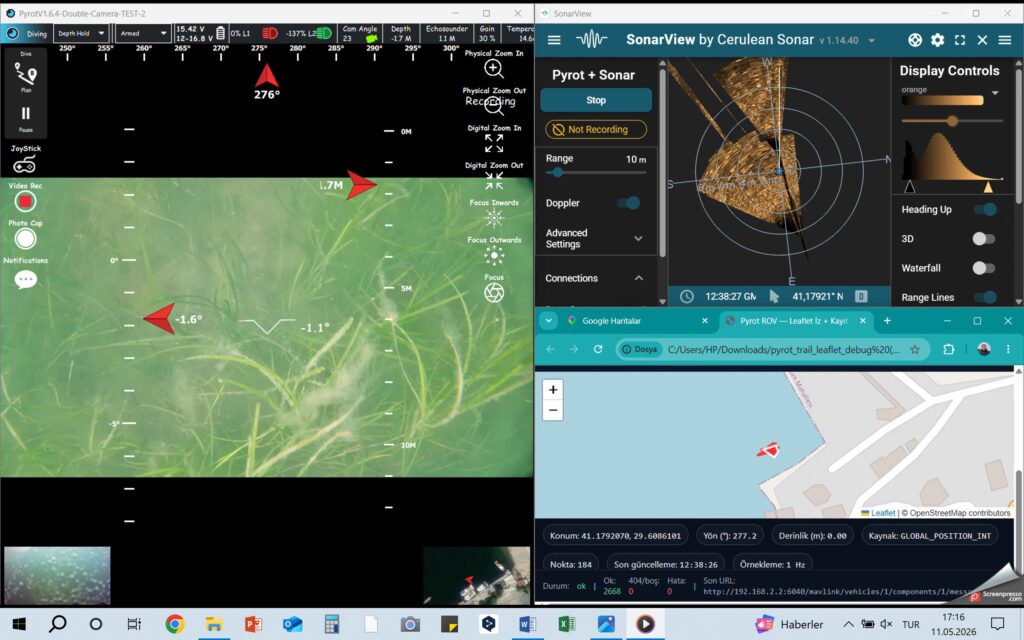
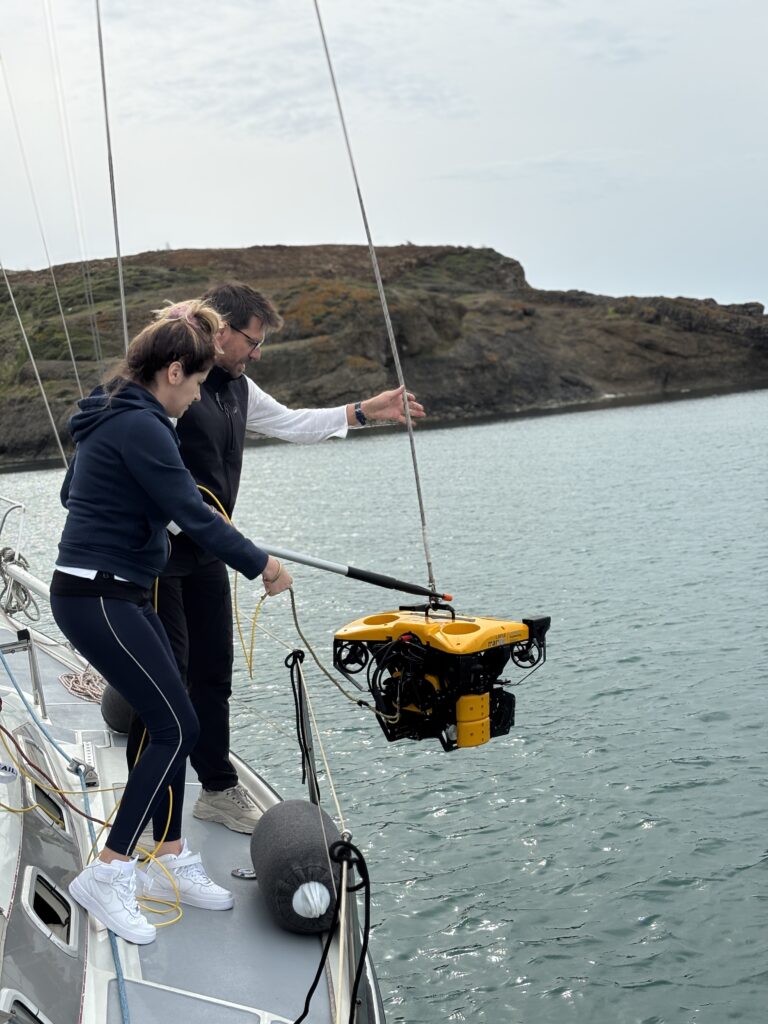
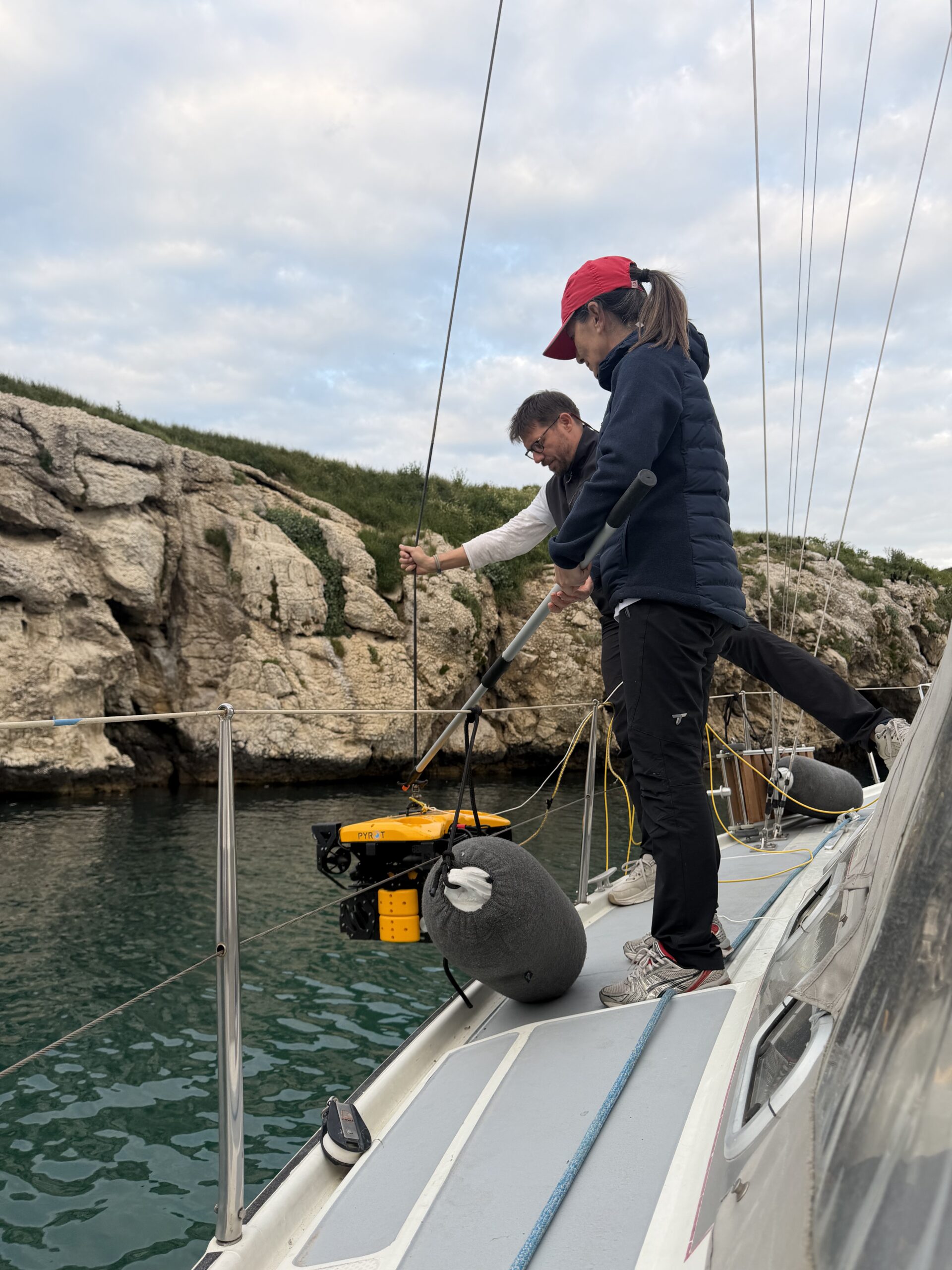
Within the scope of the EfxINNOs Project, which supports the transition towards a sustainable blue economy in the Black Sea Basin, an ROV-supported seagrass observation expedition was carried out under the leadership of the Faculty of Aquatic Sciences at Istanbul University.
The EfxINNOs Project is implemented to monitor marine biodiversity in the Black Sea Basin and the Northern Aegean, assess the impacts of human activities on seabed ecosystems, and strengthen the use of advanced marine monitoring technologies for a sustainable blue economy. Within the project, the health of seagrass habitats is assessed through the use of ROVs, autonomous underwater vehicles, buoy systems, imaging technologies, data harmonisation methods and artificial intelligence-supported analyses.
“Protecting the sea means protecting the fish of the future, the coastal economy, and quality of life.”
Prof. Dr. Yelda Aktan, Türkiye Lead of the EfxINNOs Project, stated that the study is not only a scientific research activity, but also an effort to build a new bridge of awareness between society and the sea.
Emphasising that seagrass meadows are often undervalued because they remain out of sight, Prof. Dr. Aktan shared the following assessment:
“Seagrass meadows are habitats whose value we often fail to fully recognise because they are not visible to us in our daily lives. Yet these areas are highly important for the health of marine ecosystems, the protection of juvenile fish, the sustainability of coastal fisheries, and the fight against climate change. Seagrass meadows also serve as carbon sink areas, offering an important nature-based solution for climate change mitigation. Mapping and monitoring these habitats also provides a practical guide for the maritime sector. Boat traffic, anchoring, chain dragging, and careless navigation in shallow waters can cause physical damage to seagrass habitats. Therefore, identifying appropriate anchoring areas and avoiding sensitive habitats are important components of responsible maritime practices. Through the EfxINNOs Project, we monitor the seabed using advanced technologies and bring together scientific data with local knowledge, research with society, and technology with a culture of conservation. Protecting the sea means protecting not only nature, but also the fish of the future, the coastal economy, and the quality of life of coastal communities.”
The ROV used during the observation expedition in Şile was developed by Letna Marine, a Turkish technopark and R&D company. The successful operation of this underwater technology in the field and its ability to collect data represented an important step in demonstrating the applicability of blue technology solutions developed in Türkiye for scientific research.
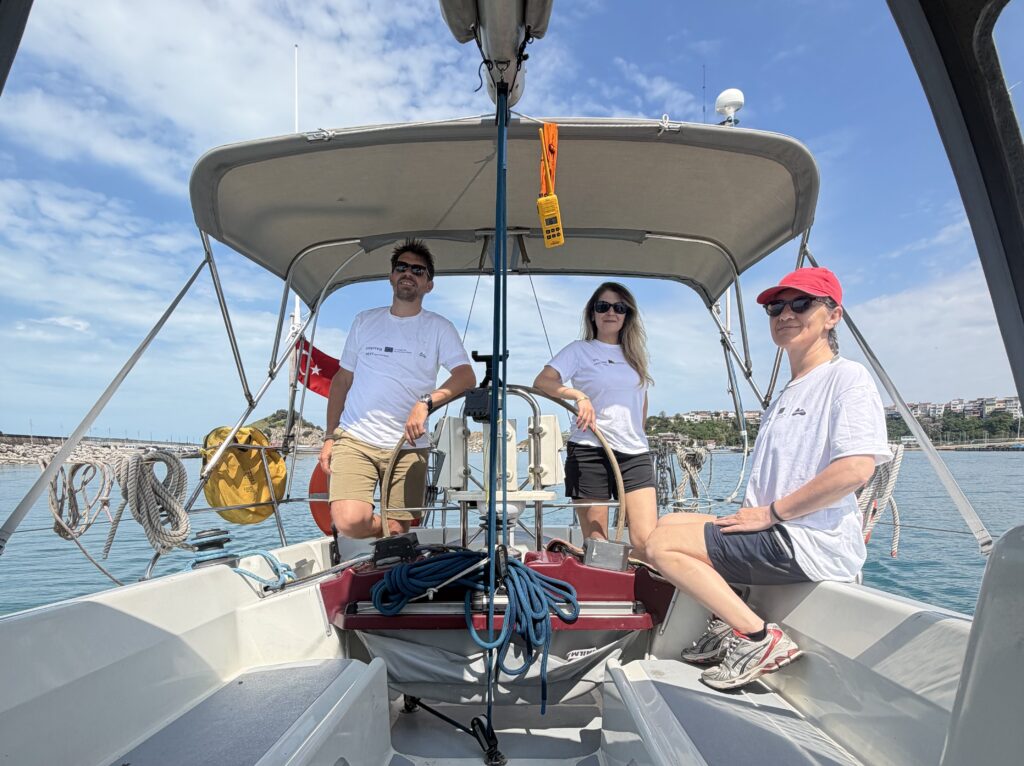
The field operation was supported by Sailist Yachting, which is part of the EfxINNOs Türkiye team. Captain Barış Ersemiz shared the following assessment regarding the field study:
“Planning a scientific expedition in the Black Sea is not simply about travelling from one point to another. It requires considering the weather window, wind, waves, nearshore navigation safety, the safe use of equipment and the data needs of the scientific team all at the same time. In this study, thanks to the reliable field performance of the locally developed ROV, planning supported by advanced navigation technologies, and clear communication among the teams, we succeeded in transforming marine monitoring into an economical and repeatable system. When maritime knowledge and scientific research meet on the same route, it becomes possible to develop practical and sustainable solutions for marine conservation. We would also like to extend our special thanks to Cem Değirmenciler and Gatemarine for their logistical support through advanced navigation technologies during the field study.”
“The health of the marine ecosystem is connected to the entire web of life, from the smallest producers to dolphins.”
Dr. Ayse Gazihan from AG Marine Solutions (AGMS), which is part of the EfxINNOs Türkiye team, stated that resilience in marine ecosystems is only possible when all components of the marine ecosystem function in a healthy way. Dr. Gazihan emphasised that properly understanding the relationship between marine ecosystems, maritime sectors and society is fundamental for a sustainable blue economy, and shared the following remarks:
“From primary producers such as seagrasses and microalgae to invertebrates, fish and dolphins, every living organism has a role within the balance of the marine ecosystem. The stronger this balance is, the greater the sea’s capacity to recover from climate change, rising seawater temperatures, pollution, the transport of invasive species and other unexpected pressures. Therefore, we need to consider each component of the ecosystem together with its long-term health. Likewise, the relationship between marine ecosystems and all maritime sectors, including maritime transport, coastal tourism, fisheries, yachting, water sports, research and technology, must be established in a healthy way. When we understand this relationship correctly, we can develop a more conscious, responsible, and sustainable interaction with the sea as scientists, seafarers, fishers, boat owners, institutions, families, and society. EfxINNOs contributes to bringing this shared understanding to life through technology, data, field experience and cooperation.”
The field knowledge of the maritime sector is indispensable for scientific monitoring
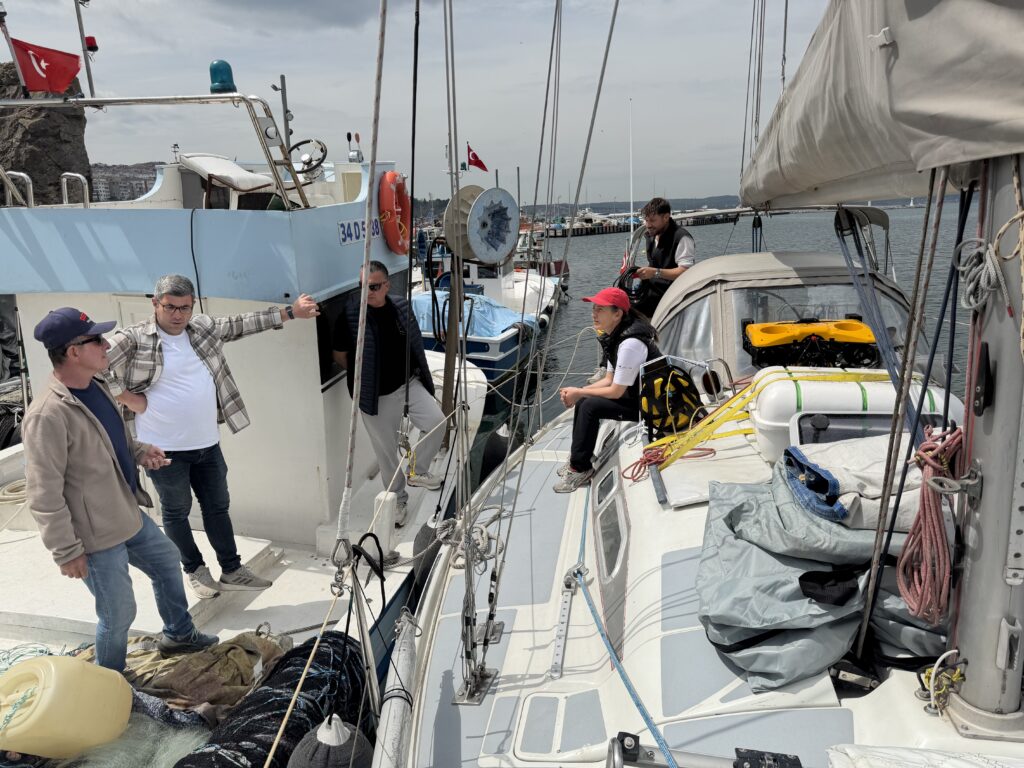
During the field study in Şile, Mr. Ahmet Yıldırım, President of the Şile Central Fisheries Cooperative, and his team visited the project team. During the visit, information was shared on the objectives of the EfxINNOs Project, ROV-based seagrass observation activities and the sustainable blue economy approach. Cooperative representatives also shared their valuable long-standing field experience regarding the Şile coastline, local marine life, coastal fisheries and their observations from the sea.
In marine conservation, fishers should not be seen merely as actors who “harvest from the sea”, but also as some of the most important local observers within the maritime sector. Fishers are often among the first stakeholders to notice seasonal changes, species movements, transformations in fishing grounds, seabed conditions and pressures on the marine environment. This approach is not limited to fishers alone. Captains, boat owners, yachting communities, marinas, port and shipyard operators, coastal tourism actors, water sports communities and all sectoral components working at sea can provide valuable contributions to scientific research in the process of monitoring and understanding changes in the marine environment.
EfxINNOs is an international project supported under the EU Interreg NEXT Black Sea Basin Programme with the project code BSB00193. Bringing together partners from Türkiye, Greece, Bulgaria, Romania and Georgia, the project aims to develop an advanced technology-based, economical and sustainable marine monitoring network for the monitoring of marine ecosystems in the Black Sea Basin and the Northern Aegean. Within EfxINNOs, seabed habitats are examined through mobile and fixed monitoring platforms, ROV and AUV systems, buoys, underwater imaging technologies, data harmonisation methods, artificial intelligence and machine learning-supported analyses. The project evaluates the health of seagrass habitats and the impacts of human activities on benthic ecosystems.